 brushless motor
Applications of Drone Motors: From Consumer UAVs to Industrial Systems
Applications of Drone Motors: From Consumer UAVs to Industrial Systems
Drone technology is growing fast. As demand increases, motor performance becomes more important. Drone motors are the core power source of every UAV. They directly affect lift, flight time, load capacity, and control stability.
This guide explores the applications of drone motors, from consumer drones to heavy industrial UAV systems.
1. Evolution of Drone Motor Technology
In early UAV systems, brushed DC motors were common. They were low cost but required frequent maintenance. Brush wear reduced efficiency and service life.
Today, most drones use brushless DC motors (BLDC). These motors offer:
-
Higher efficiency
-
Lower heat generation
-
Longer service life
-
Reduced maintenance
-
Better power-to-weight ratio
As battery energy density improved, drone motors became lighter and more powerful. This allowed longer flight time and higher payload capacity.
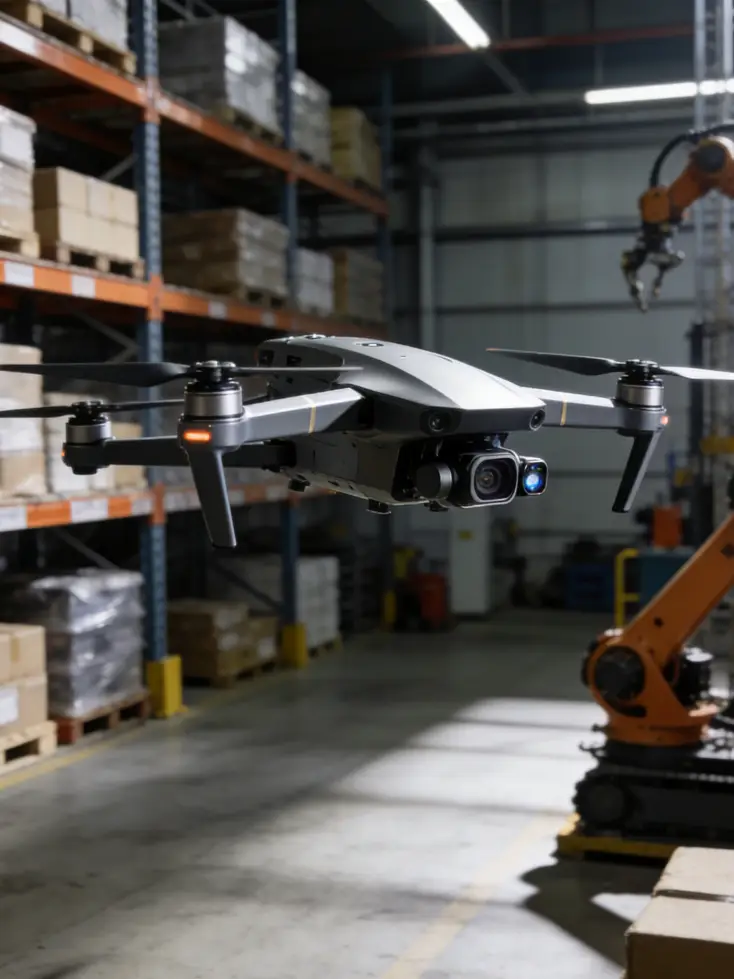
Industrial drone motor applications for inspection and cargo transport
2. How Drone Motors Work
Most UAV systems use brushless motors. These motors operate through electronic speed controllers (ESC).
When current flows through the stator windings, a magnetic field forms. This rotating magnetic field interacts with permanent magnets in the rotor. As a result, torque is generated and the propeller spins.
Because there are no brushes, friction is low. Therefore, efficiency is high and reliability improves.
The flight controller adjusts motor speed in real time. This keeps the drone stable under wind, load change, or motion shift.
3. Applications of Drone Motors in Consumer UAVs
Aerial Photography and Video
Consumer drones are widely used for filming. Motor stability is critical. Smooth speed control ensures clear images and steady flight.
High efficiency drone motors improve:
-
Hover precision
-
Noise reduction
-
Battery life
Therefore, motor quality directly affects image results.
Recreation and Hobby Drones
In hobby drones, cost matters. However, stable thrust is still important.
Compact brushless motors provide:
-
Fast throttle response
-
Basic stunt control
-
Lightweight structure
This makes entry-level UAV systems affordable yet reliable.
Smart Agriculture Monitoring
Agriculture drones use cameras and sensors to scan crops. Here, motor durability is essential.
Dust, heat, and humidity can affect performance. Therefore, sealed bearing systems and strong cooling design improve field reliability.
4. Applications of Drone Motors in Industrial UAV Systems
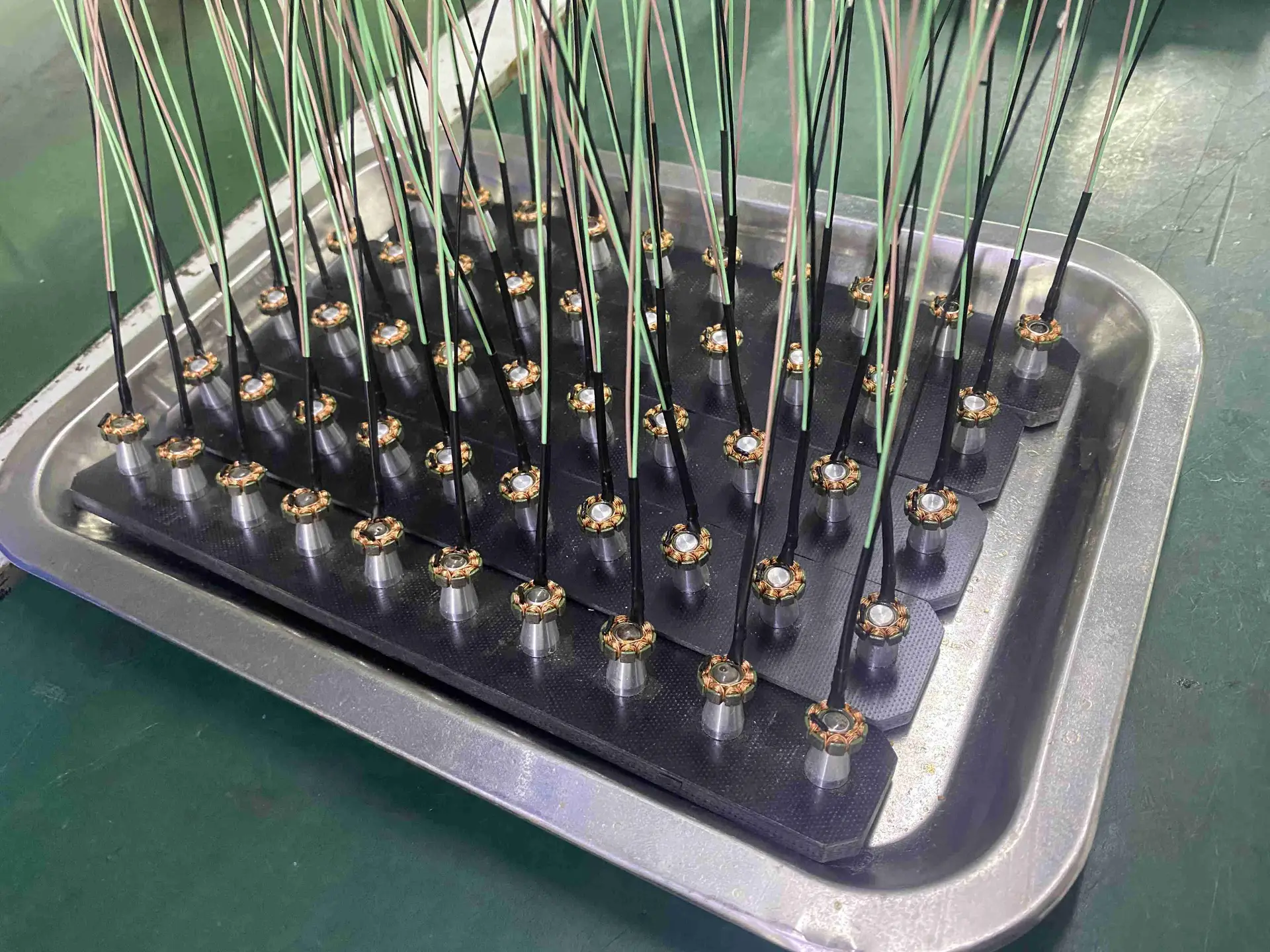
Drone motors enable stable flight, precise control, and reliable performance across UAV applications.
Industrial drones require higher torque and stronger lift. Motor selection becomes more critical.
Logistics and Cargo Delivery
Heavy lift drones transport goods over short distances. These UAV systems require:
-
Efficient thermal management
-
Long endurance performance
A strong power-to-weight ratio allows safe cargo transport.
Infrastructure Inspection
Industrial drones inspect bridges, towers, and pipelines.
Low vibration and stable rotation improve image accuracy. High efficiency brushless motors reduce noise and energy loss.
As a result, inspection becomes faster and safer.
Emergency and Rescue Operations
In rescue missions, drones must operate in harsh conditions.
High torque motors ensure strong lift. Fast response improves control accuracy. Reliability becomes critical in extreme weather.
Therefore, industrial drone motor systems are built with reinforced shafts and enhanced cooling.
5. Key Technical Capabilities for Modern Drone Motors
For EU and North America B2B markets, drone motor solutions must offer:
-
CE and RoHS compliance
-
Precision CNC shaft processing
-
High-grade magnet materials
-
Dynamic balance testing
-
Strict quality inspection
OEM and ODM customization is also important. Different UAV platforms require different KV ratings, torque curves, and cooling layouts.
6. Future Trends in Drone Motor Applications
Drone motor technology continues to evolve.
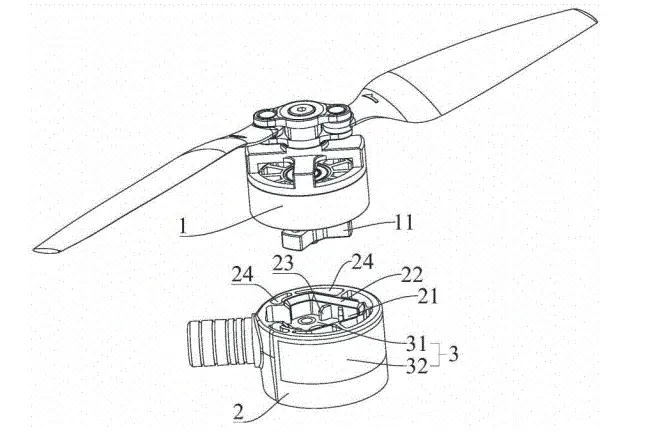
Drone motor applications showing thrust control and flight stability
Future developments include:
-
Smarter ESC integration
-
AI-based motor control tuning
-
Lightweight composite materials
-
Higher efficiency magnetic design
-
Lower carbon manufacturing processes
As UAV markets expand, applications of drone motors will continue to grow in logistics, agriculture, security, and industrial automation.
Why Motor Quality Matters in UAV Systems
A well-designed drone motor improves:
-
Flight stability
-
Payload capacity
-
Battery efficiency
-
Operational safety
-
System lifespan
For professional UAV manufacturers, motor selection is not just a component choice. It is a system-level decision.
Conclusion
The applications of drone motors cover a wide range of industries. From small consumer drones to heavy industrial UAV platforms, motor performance defines system success.
As technology advances, drone motors will become lighter, stronger, and smarter. This will further expand UAV capabilities across global markets.