 brushless motor
Motor Design: Industrial Applications & Assembly Expertise
Motor Design: Industrial Applications & Assembly Expertise
Electric motors are key components in modern machinery. Their design and quality directly affect efficiency, performance, and product reliability across industries. From factory automation to consumer devices, motors drive innovation and progress. This page explores motor design principles, manufacturing processes, assembly steps, and applications across multiple sectors.
1. Core Principles of Motor Design
Designing a motor involves many factors, including type, power, efficiency, size, materials, and application environment. Key considerations include:
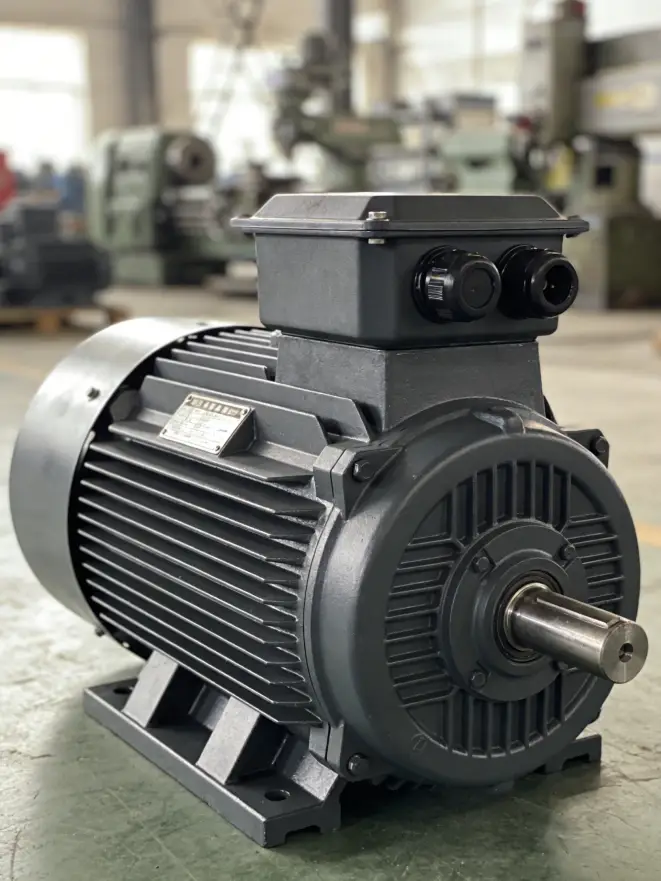
Motor Types: Common motors include DC, AC, stepper, and servo motors. Each type has unique structure and operation. Selecting the right motor depends on specific needs.
Power & Efficiency: Power determines driving ability, while efficiency affects energy consumption and operational cost. Engineers perform detailed calculations to ensure optimal performance.
Size & Weight: Space constraints are critical. Compact motors suit portable devices, while larger industrial motors require sufficient torque and durability.
Material Selection: Material choice influences performance and lifespan. Magnetic, insulating, and mechanical materials are selected based on operating conditions.
2. Electric Motor Manufacturing Process
Motor production involves several stages: material preparation, component processing, assembly, and testing. Each step ensures quality and reliability.
Material Preparation: High-quality materials are essential. Stators and rotors often use silicon steel to reduce energy loss. Windings use copper wire for excellent conductivity.
Component Processing: Components undergo stamping, cutting, machining, and welding. Modern CNC and laser equipment enhance precision and efficiency.
Assembly: Accurate alignment ensures all parts fit correctly. Automated lines improve assembly consistency.
Testing: Before delivery, motors undergo insulation, high-voltage, speed, and load tests to verify stability and safety.
3. Motor Assembly Steps
Proper assembly ensures quality and scalability:
-
Preparation: Organize a clean workspace and gather tools.

motor internal stator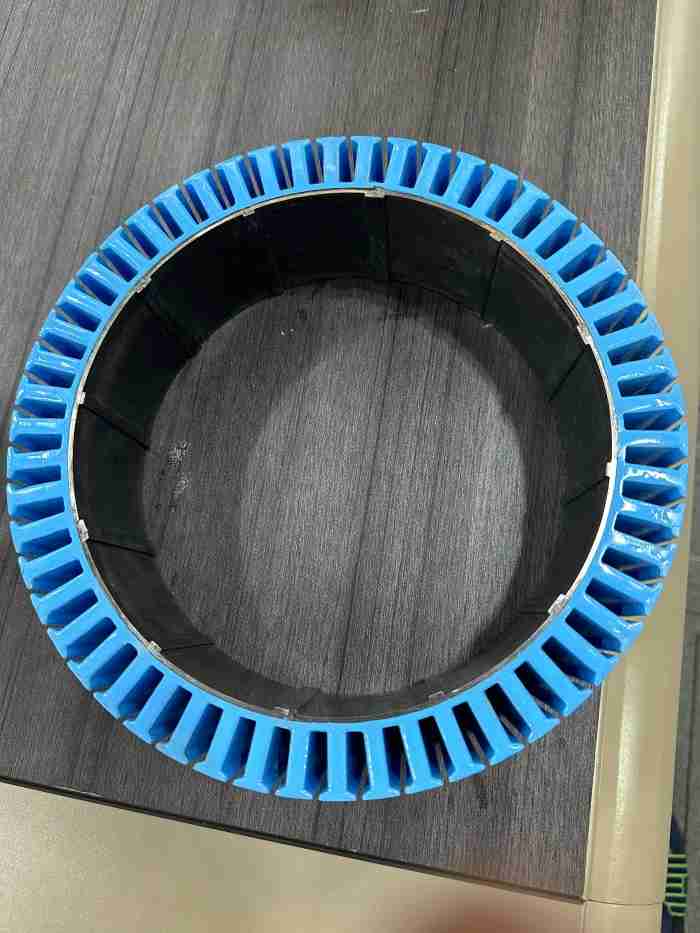
-
Stator & Rotor Assembly: Align and secure components carefully to protect windings.
-
Bearing Installation: Install bearings correctly and apply proper lubrication.
-
Electrical Connections: Secure cables, ensure insulation, and prevent short circuits.
-
Housing & Enclosure: Seal the motor to protect against dust, moisture, and heat.
-
Final Inspection: Test mechanical, electrical, and visual aspects to meet design standards.
4. Applications Across Industries
Motors are essential in various sectors, often customized for specific needs:
-
Industrial Manufacturing: Drive conveyors, robotic arms, and automation systems. Efficient motors reduce energy use and improve productivity.
-
Transportation: Electric vehicles, trains, and aircraft rely on high power density and high-speed motors.
-
Consumer Appliances: From refrigerators to washing machines, motors deliver quiet, efficient, and durable operation.
-
Renewable Energy: Motors convert wind and water energy into electricity with high efficiency.
-
Medical Equipment: Precision and stability are vital in MRI, CT, and other imaging devices.
Conclusion
Motor design impacts efficiency, reliability, and innovation across industries. Advanced design and optimized assembly ensure high performance in industrial, transport, consumer, renewable, and medical applications. By continuously improving motor design, manufacturers provide more powerful, efficient, and durable solutions that drive technological progress and create value for businesses and users.