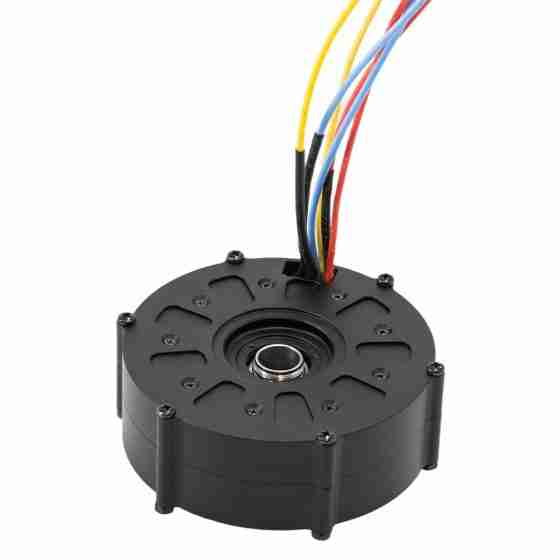
brushless motor
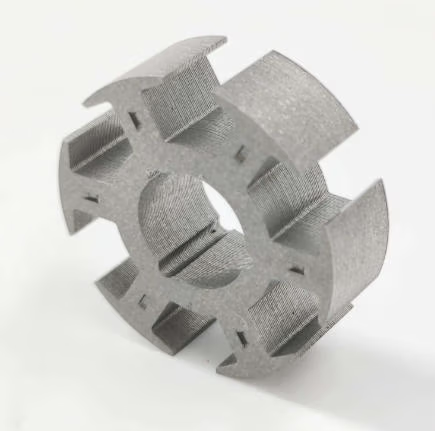

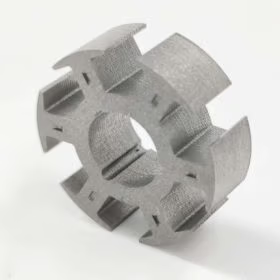
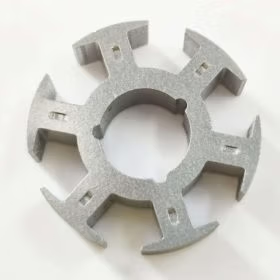
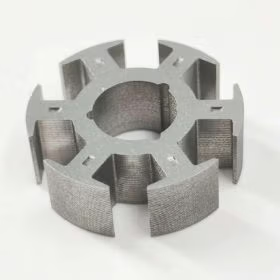
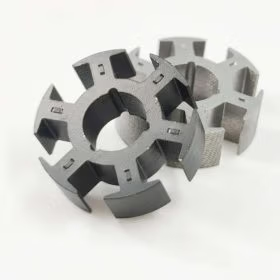
Motor Stator Lamination Punching: Precision Manufacturing for High-Performance Motors
In modern electric motor manufacturing, stator lamination punching plays a crucial role in achieving energy efficiency, magnetic stability, and long-term durability. As industries demand quieter, lighter, and more efficient motors, the accuracy of each punched lamination directly affects the motor’s overall performance. Whether for BLDC motors, induction motors, or axial flux designs, precision punching ensures consistency and reliability in every stator core.
What Is Motor Stator Lamination Punching?
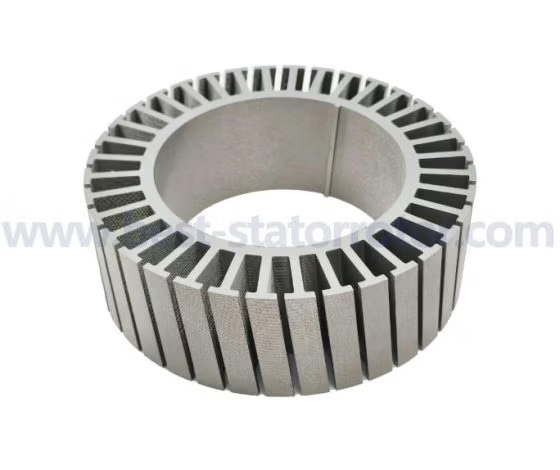
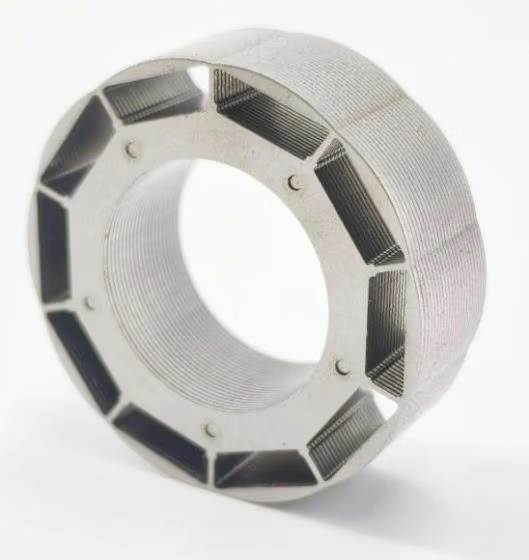
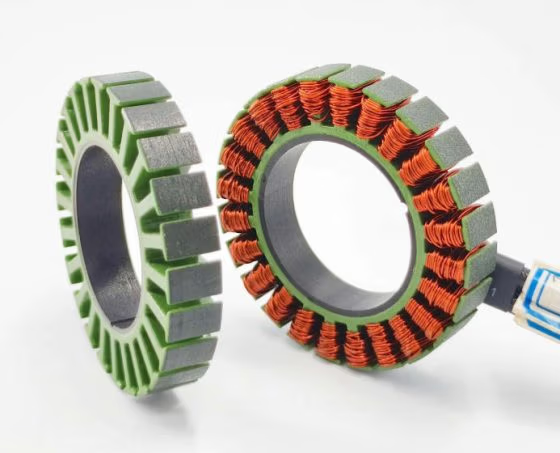
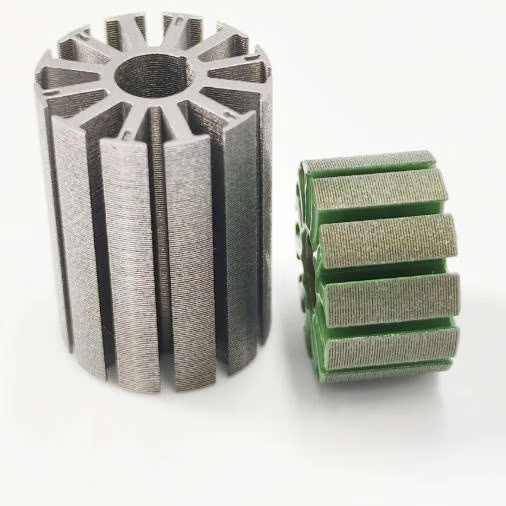
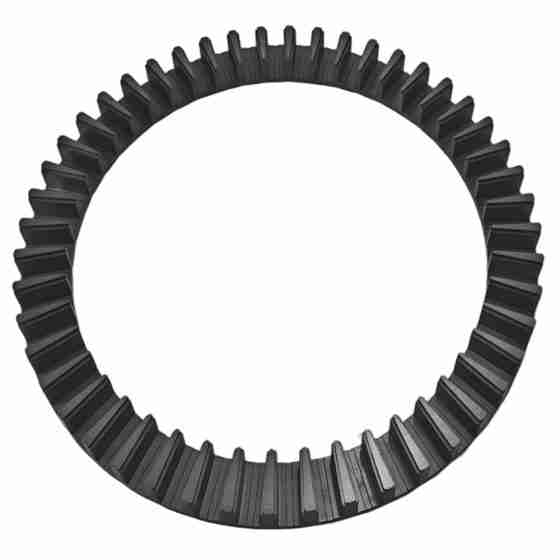
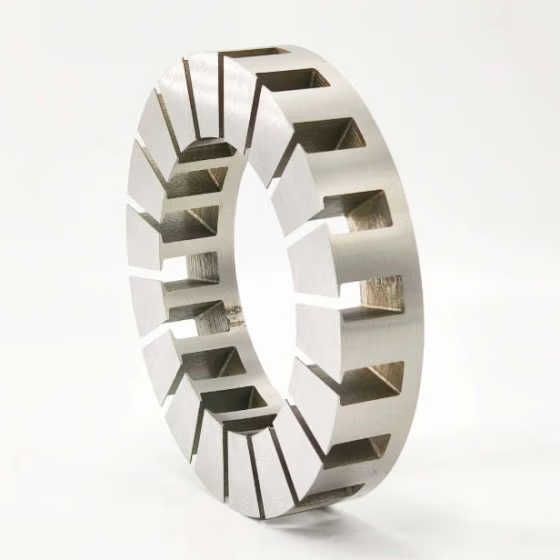
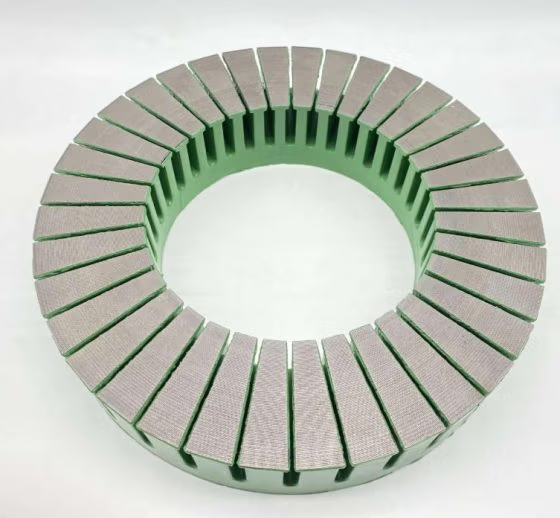
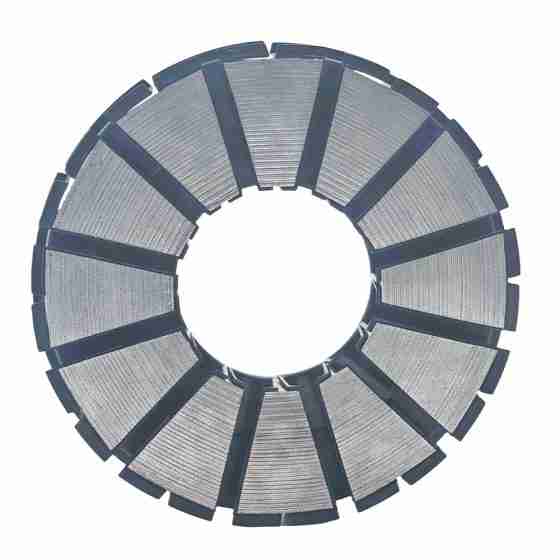
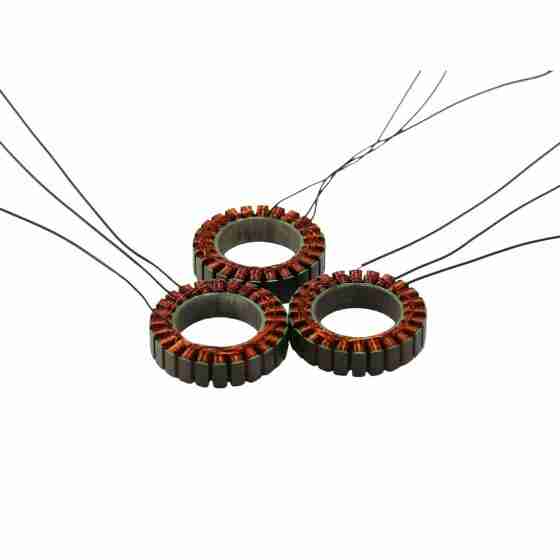
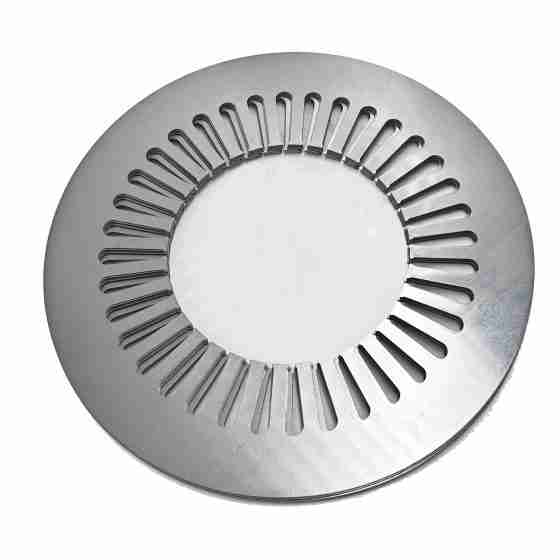
Motor stator lamination punching is a process that uses high-precision stamping dies to cut thin sheets of silicon steel into exact shapes. These sheets, also known as laminations, are later stacked to form the stator core—the stationary part of an electric motor.
Each lamination must maintain strict dimensional tolerances. Even the smallest deviation can affect magnetic performance and cause unnecessary losses. Therefore, advanced progressive stamping or compound die punching systems are used to ensure every lamination remains uniform in thickness, shape, and slot geometry.
In other words, punching is not simply a cutting process—it is a foundation for motor efficiency, noise reduction, and thermal stability.
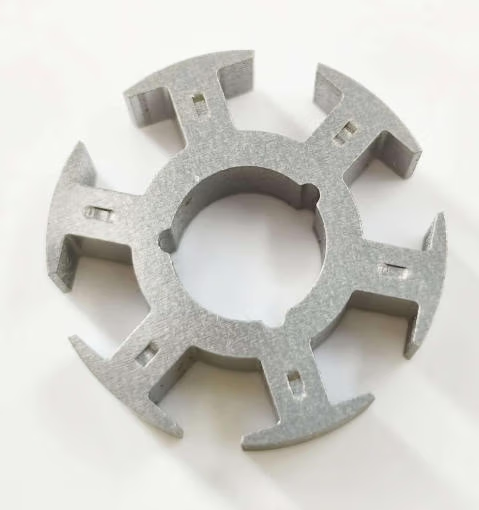
Stamping Die Stator Core
Why Precision Punching Matters
When you look at a high-efficiency motor, the quality of its stator laminations is often the hidden reason behind its smooth operation. Accurate punching helps minimize eddy current losses, which in turn lowers heat generation and improves energy conversion.
Furthermore, precise slot alignment guarantees uniform magnetic flux distribution, resulting in better torque output and quieter performance. As a result, manufacturers who invest in advanced punching technology gain a competitive advantage in energy savings and product reliability.
Our Motor Stator Lamination Punching Capabilities
At Best,we specialize in producing precision motor stator core laminations for a wide range of applications, from small home appliances to large EV drive systems.
With over 10 years of experience, we have refined our manufacturing process to deliver consistent quality and dimensional accuracy in every batch. Our production facilities include:
-
High-speed precision stamping machines for high-volume motor lamination production.
-
Fine-tuned progressive dies to maintain tight tolerances across continuous runs.
-
Laser and wire-EDM machines for prototypes or irregular stator geometries.
-
Automated stacking and bonding systems to form complete stator assemblies.
In addition, our in-house engineering team works closely with customers to design customized dies that match their motor design, reducing lead time and ensuring cost-efficient production.
The Punching Process: Step by Step
To achieve the best results, stator lamination punching follows a precise, multi-step process:
-
Material Selection – We begin with high-grade silicon steel that offers uniform magnetic conductivity and mechanical strength.
-
Blanking and Feeding – The steel sheets are uncoiled, straightened, and automatically fed into the punching press.
-
High-Speed Punching – Using progressive dies, each lamination is punched to exact dimensions with minimal burr and distortion.
-
Deburring and Cleaning – The punched sheets are cleaned and treated to remove sharp edges or residual particles.
-
Stacking and Bonding – Laminations are then stacked using interlocking, welding, or bonding methods, forming a rigid and efficient stator core assembly.
-
Inspection and Testing – Every batch undergoes strict dimensional and magnetic testing to guarantee uniformity and performance.
Throughout each stage, precision and quality control are our top priorities. By maintaining exact tolerances, we ensure that each stator lamination contributes to stable motor performance.
Applications Across Industries
Our punched stator laminations are widely used in:
-
BLDC motors for electric vehicles, compressors, and industrial fans
-
Induction motors for pumps, HVAC systems, and home appliances
-
Axial flux motors for compact, high-torque designs
-
Servo motors for robotics and automation equipment
-
Generator stators for renewable energy and power systems
Because each application has different requirements, we tailor our punching process to balance performance, cost, and durability. This customization allows our customers to achieve optimal magnetic efficiency while minimizing energy losses.
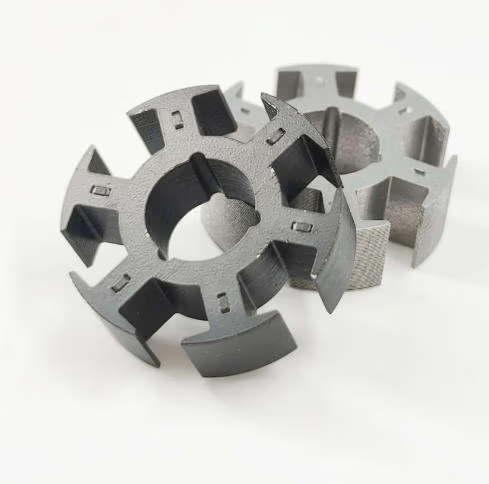
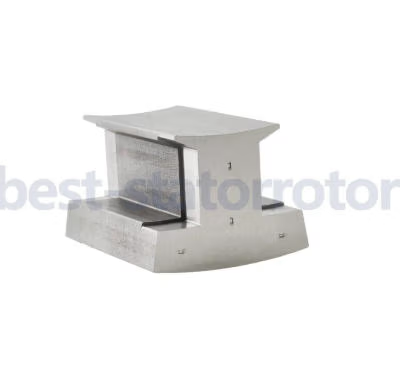
A Punching Die Motor Core
Advantages of Our Stator Lamination Punching Technology
Choosing our motor stator lamination punching services brings measurable benefits:
-
High Dimensional Accuracy – Reduces core losses and improves magnetic uniformity.
-
Excellent Surface Finish – Minimizes burrs and insulation damage.
-
Enhanced Productivity – Supports large-scale production with short cycle times.
-
Material Optimization – Reduces waste through efficient die design and nesting layout.
-
Flexible Production Options – Suitable for prototypes, small batches, or mass production.
Moreover, our quality assurance system follows international standards such as ISO 9001 and IATF 16949, ensuring reliable and repeatable performance for every client.
Innovation and Sustainability
As electric mobility and renewable energy continue to grow, motor efficiency and sustainability have become top priorities. Therefore, we constantly upgrade our equipment and materials to meet the latest requirements for low-loss laminations and eco-friendly production.
We also adopt bonding lamination techniques that reduce mechanical noise and eliminate the need for traditional welding, leading to cleaner assembly and lower CO₂ emissions.
Why Choose Us as Your Stator Lamination Punching Partner
In today’s competitive market, choosing the right stator core supplier can make a real difference in product performance and long-term cost savings.
At Dongguan Best New Energy Technology Co., Ltd., we are more than a manufacturer—we are your engineering partner in motor core innovation. From design to delivery, our team ensures that every lamination meets your exact specifications for thickness, insulation, and mechanical strength.
Ultimately, our goal is simple: to help you build motors that run cooler, last longer, and perform better.