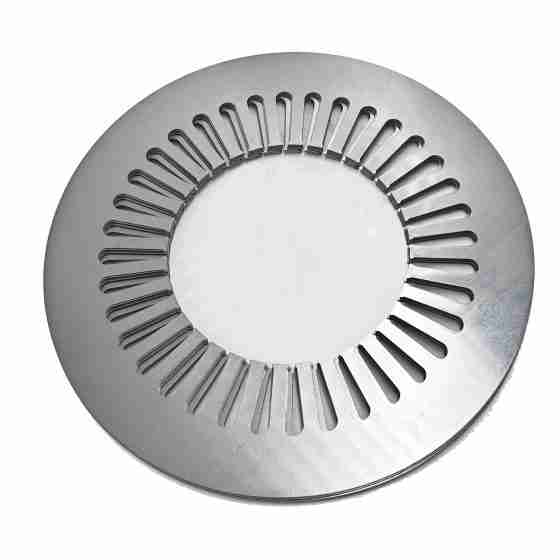
brushless motor
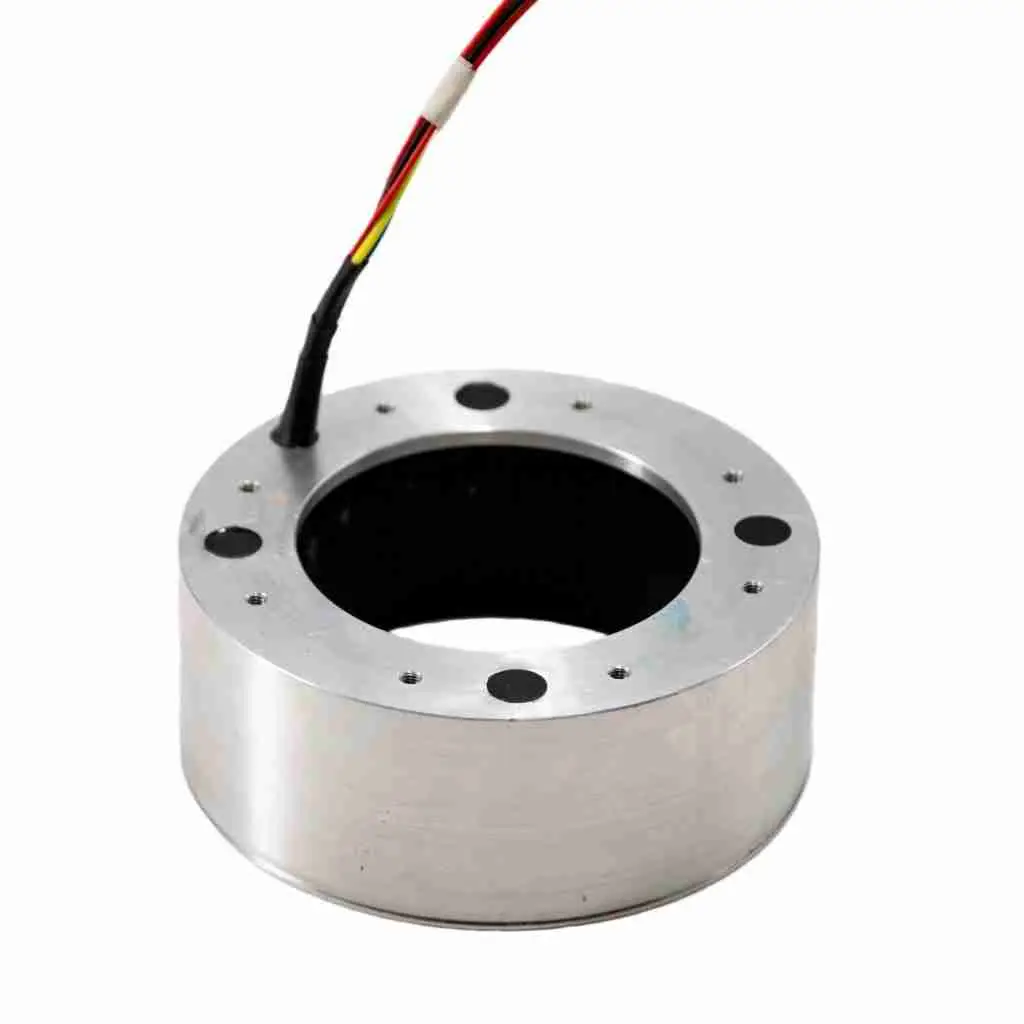

Motor Stator Full Guide: Structure, Performance, and Modern Applications
In modern electric motors, performance, efficiency, and reliability are more important than ever. At the heart of every motor lies a critical component known as the motors stator. Although it does not move during operation, it plays a central role in generating magnetic fields, supporting windings, and ensuring stable motor output.
As industries continue to demand higher efficiency and compact designs, the importance of a well-designed motors stator continues to grow. Therefore, understanding how a motors stator works, what materials it uses, and where it is applied is essential for engineers, buyers, and manufacturers alike.
1. What Is a Motors Stator?
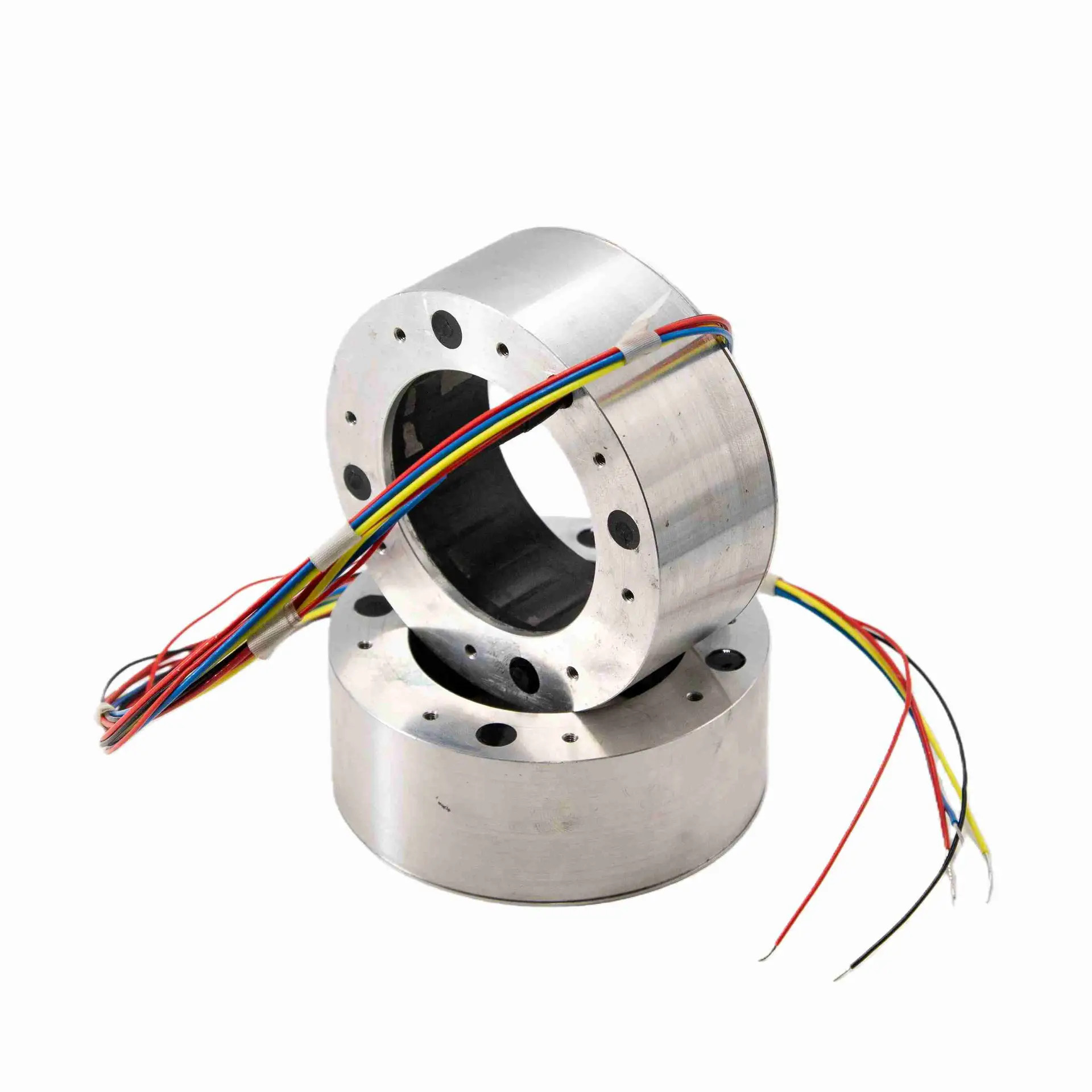
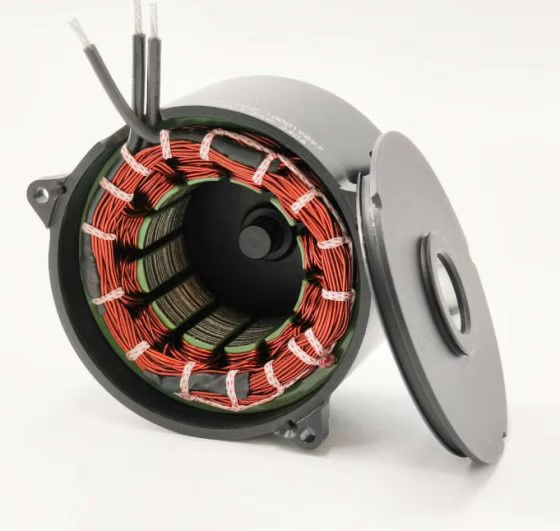
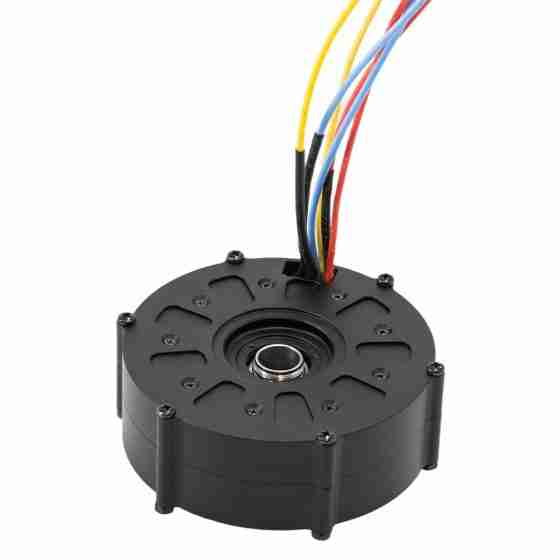
High efficiency stator core assembly
A motors stator is the stationary part of an electric motor. It surrounds the rotor and contains laminated steel cores and copper windings. When electric current flows through the windings, the stator produces a rotating magnetic field. This magnetic field interacts with the rotor and creates motion.
Unlike the rotor, the stator does not rotate. However, it directly controls torque, speed stability, and energy efficiency. Because of this, stator design has a strong influence on overall motor performance.
In simple terms, without a high-quality motors stator, even the best rotor design cannot perform well.
2. Basic Structure of a Motors Stator
A typical motors stator consists of several key parts:
-
Stator core (laminated electrical steel)
-
Copper or aluminum windings
-
Outer frame or housing
Each part serves a clear purpose. For example, laminated steel reduces eddy current loss, while insulated slots protect windings from electrical damage. Together, these elements help the motor operate smoothly and efficiently.
Moreover, precise slot geometry improves winding fill factor, which directly increases power density.
3. Motors Stator Materials and Magnetic Performance
Material selection is one of the most important aspects of motors stator design. Most stators are made from non-oriented electrical steel laminations. These materials offer good magnetic permeability and low core loss.
Common stator materials include:
-
silicon steel laminations
-
ultra-thin electrical steel (0.15–0.35 mm)
-
special insulation coatings
-
soft magnetic composites for complex shapes
Thinner laminations reduce iron loss and heat generation. As a result, motors run cooler and last longer. This is especially important for high-speed motors and continuous-duty applications.
4. Motors Stator Manufacturing Process
Even with high-grade materials, manufacturing quality remains critical. A precise motors stator requires strict process control at every step.
Step 1: Lamination punching or laser cutting

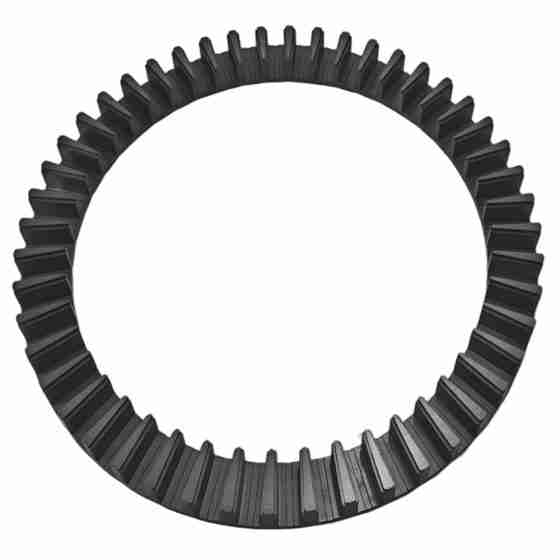
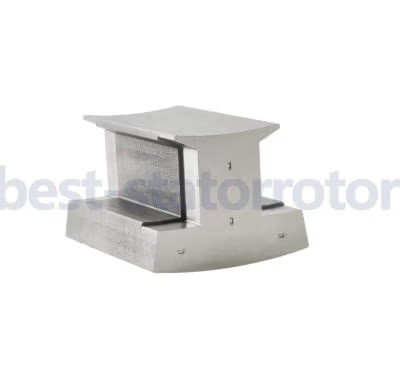
OEM core with customized dimensions
This step defines the stator shape and slot accuracy.
Step 2: Stacking and bonding
Laminations are stacked using welding, interlocking, or adhesive bonding to ensure mechanical strength.
Step 3: Insulation and slot treatment
This prevents short circuits and improves electrical safety.
Step 4: Winding insertion
Copper windings are placed carefully to maintain balance and efficiency.
Step 5: Testing and inspection
Core loss, dimensions, noise, and vibration are tested before final assembly.
Because of increasing precision requirements, many manufacturers now use automated production lines and digital inspection systems.
5. Types
Motors stators vary depending on motor type and application:
-
AC motors stator
-
DC motors stator
-
Mini motors stator
-
Axial flux motors stator
Each type has a unique structure and winding layout. For example, BLDC stators focus on high efficiency and low noise, while servo motors stators prioritize precision and fast response.
6. Applications
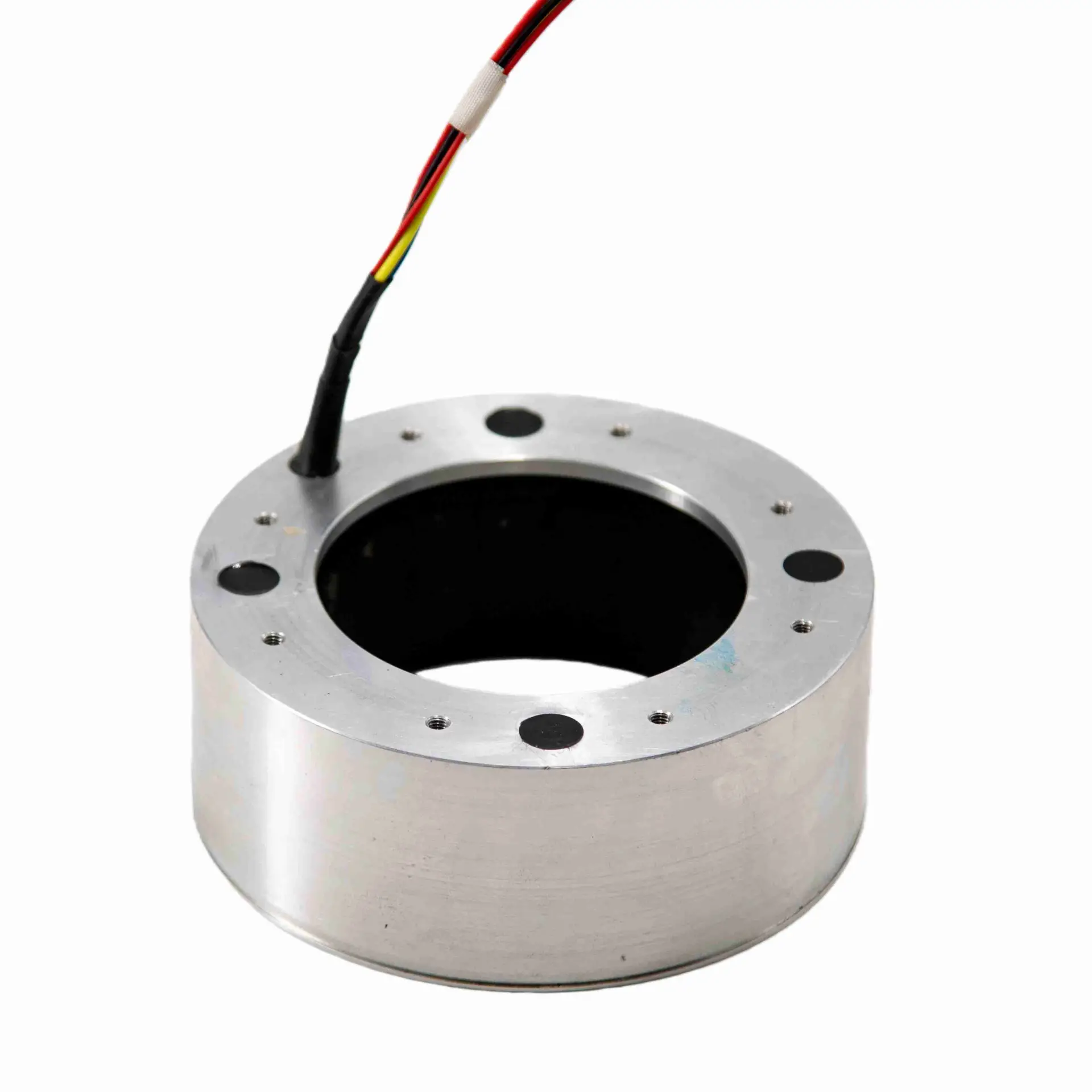
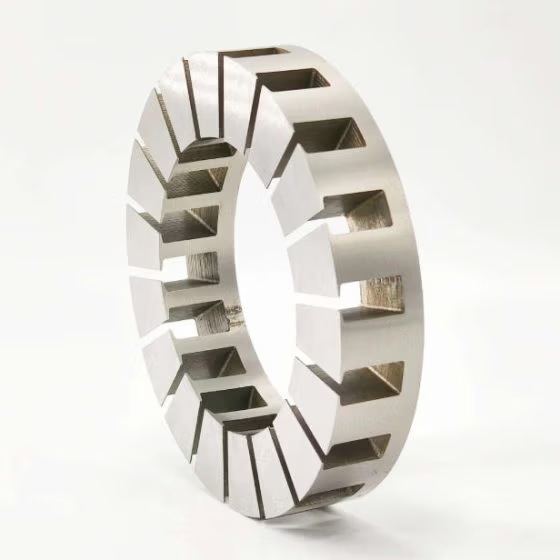
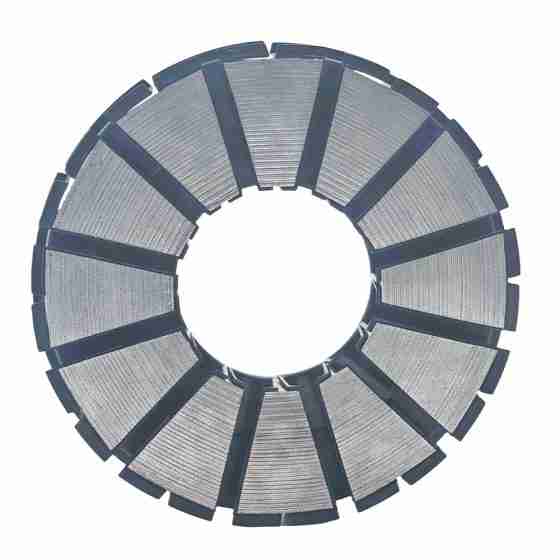
Customized stator with silicon steel laminations
Motors stator are used across almost every industry today. Typical applications include:
-
electric vehicles (EV motors)
-
industrial automation
-
robotics and smart equipment
-
home appliances
-
medical devices
-
power tools
-
HVAC systems
In EV motors, stators must handle high torque and high speed. In medical devices, they must deliver quiet and stable performance. Therefore, stator design often changes based on application needs.
7. Advantages of High-Quality Motor Stators
Using a high-quality motors stator offers several clear benefits:
Higher efficiency
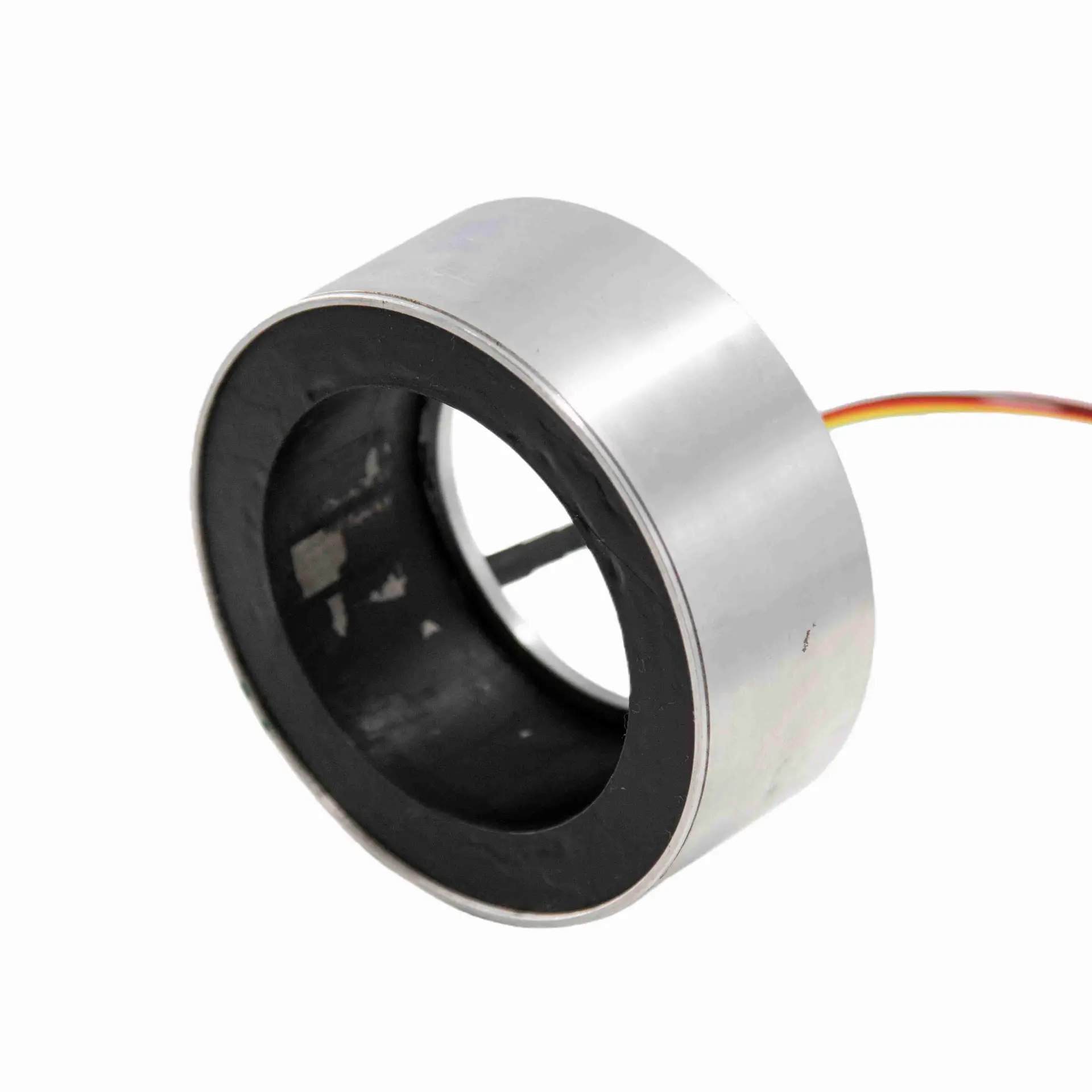
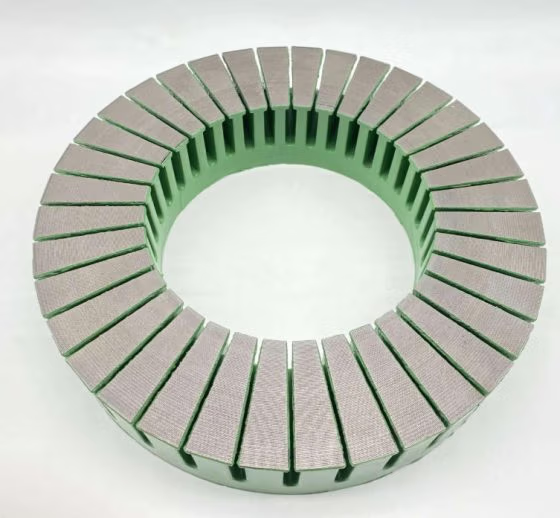
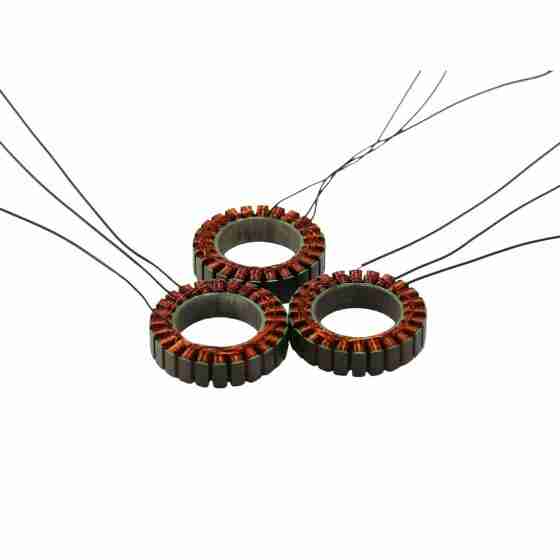
industrial motor applications
Low-loss materials reduce energy waste.
Lower noise and vibration
Precision laminations improve magnetic balance.
Longer motor life
Reduced heat protects windings and bearings.
Better torque output
Optimized magnetic flux improves power density.
Stable operation
Consistent stator geometry ensures smooth rotation.
These advantages help manufacturers meet global energy standards and customer expectations.
8. Market Trends and Industry Development
The market continues to evolve. Several trends are shaping future development:
-
demand for energy-efficient motors
-
growth of electric vehicles and robotics
-
use of ultra-thin laminations
-
automated and intelligent manufacturing
-
focus on sustainable materials
As regulations become stricter, high-efficiency stator technology will become a standard rather than an option.
9. How to Choose the Right
Supplier
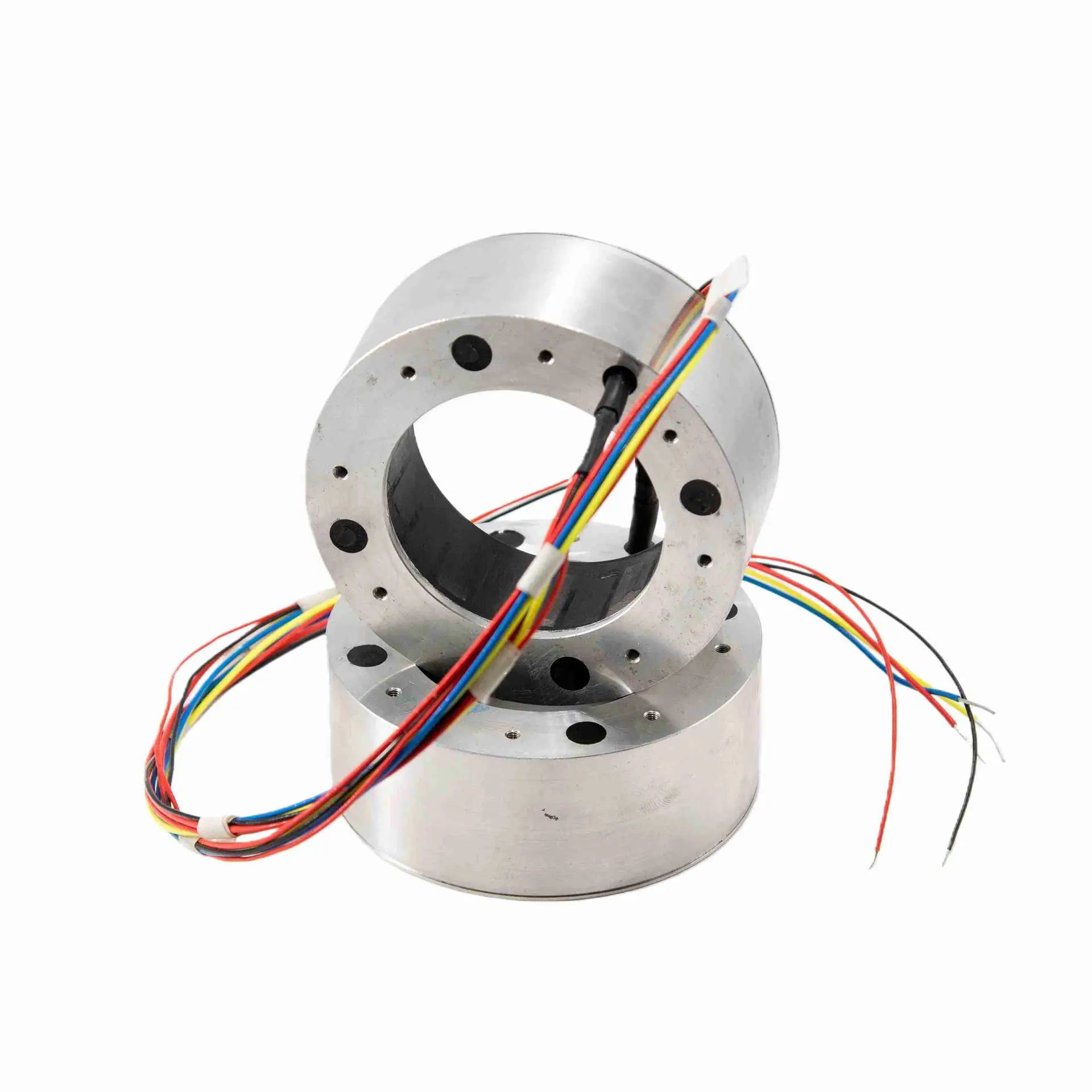
generator, and industrial machinery
Choosing the right supplier is just as important as selecting the right design. A reliable supplier should offer:
-
stable material sourcing
-
precision manufacturing capability
-
consistent batch quality
-
complete testing and inspection
-
engineering support and customization
This ensures long-term performance and reduces production risk.
10. Conclusion
The stator is a foundational component that defines efficiency, stability, and durability in electric . From material selection and structural design to manufacturing quality and application matching, every detail matters. As become smaller, faster, and more efficient, advanced stator solutions will continue to play a decisive role in future technology.
 /> /> /> /> /> /> /> /> /> /> /> /> /> /> /> /> /> /> /> /> /> /> /> /> /> height=”455″ />