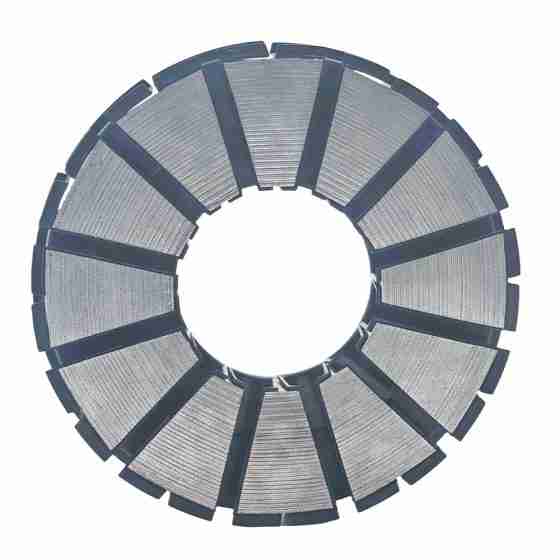
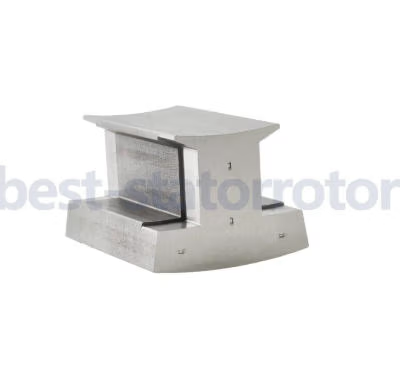
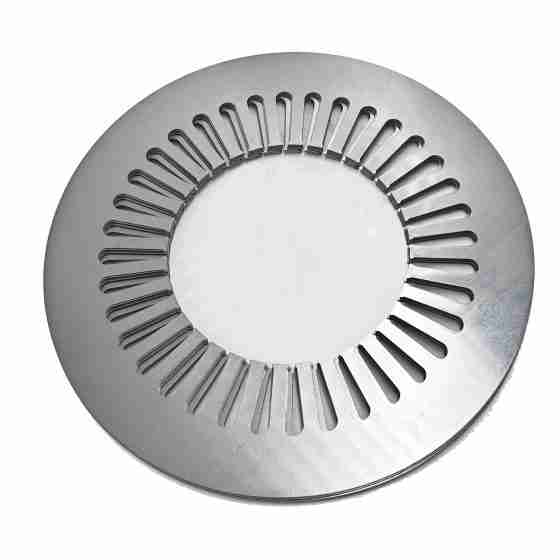
brushless motor
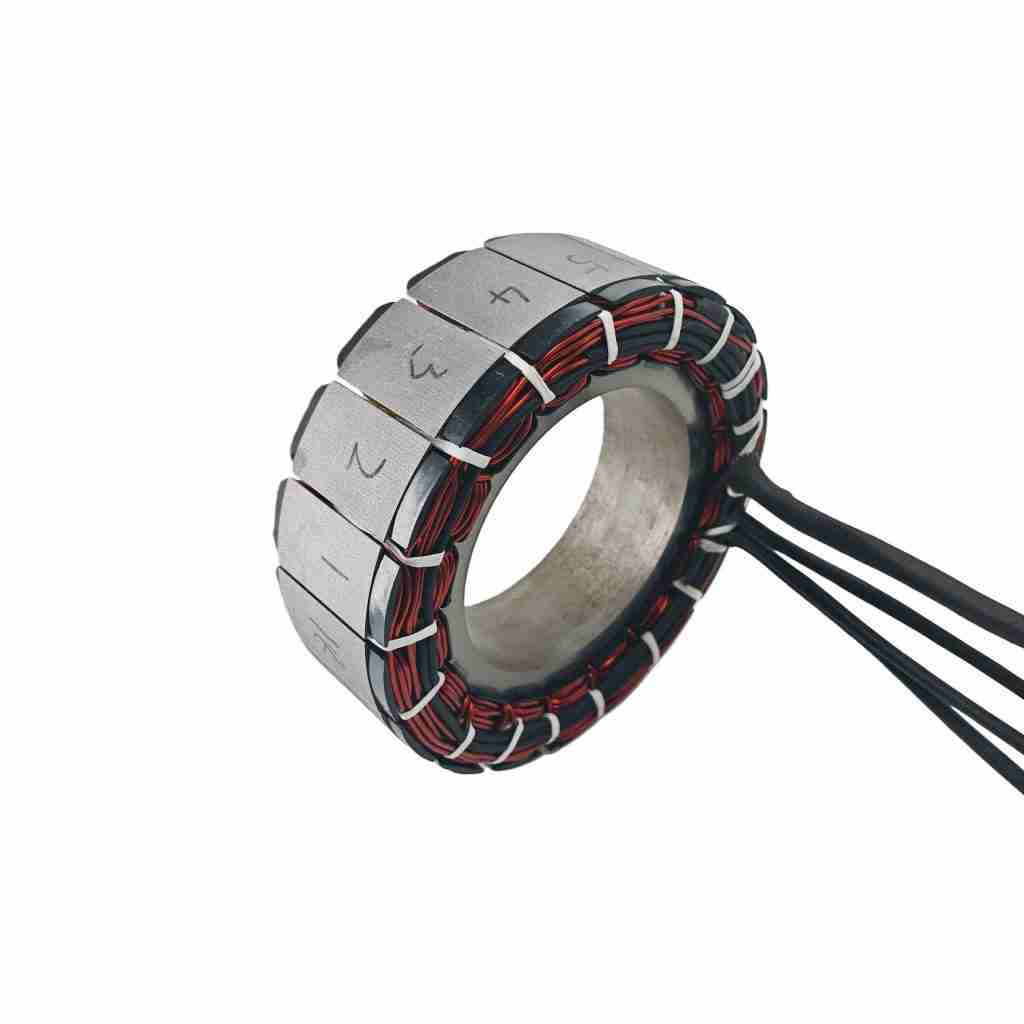

Motor Winding Complete Guide: Design, Performance, and Modern Applications
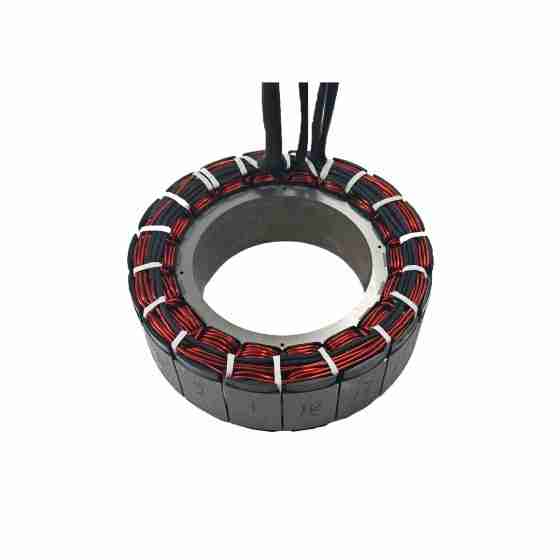
copper motor winding
In today’s electric motor industry, efficiency and reliability matter more than ever. Among all motor components, motor winding plays a direct role in power output, thermal behavior, and long-term stability. Even a small improvement in winding design can lead to better efficiency, lower heat, and longer service life.
As motors are widely used in electric vehicles, automation, robotics, and home appliances, winding technology continues to evolve. Therefore, understanding motor winding basics is essential for engineers, buyers, and product managers.
1. What Is Motor Winding?
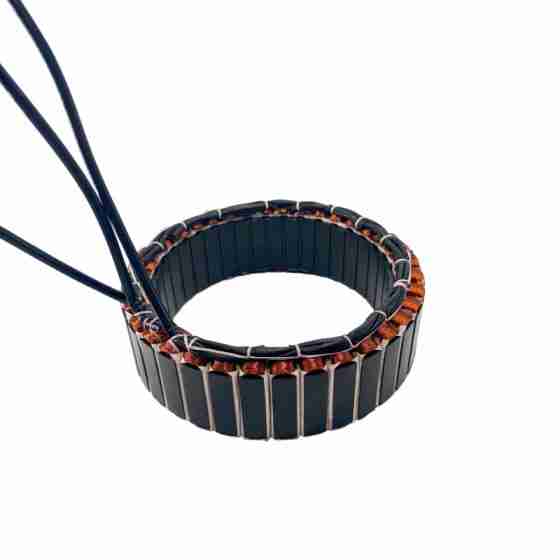
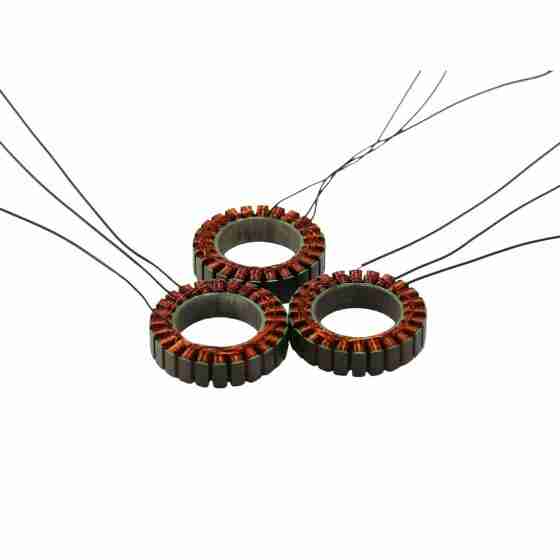
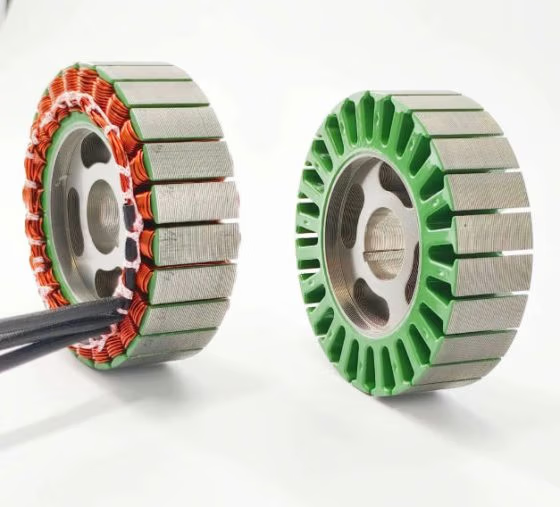
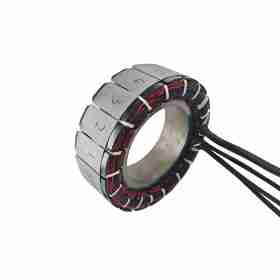
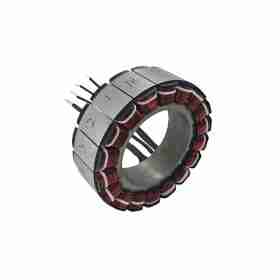
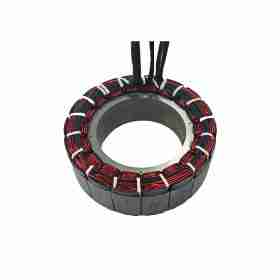
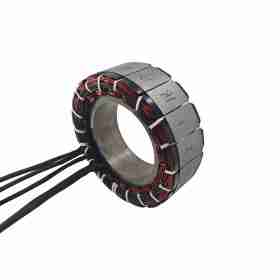
Motor winding refers to insulated copper or aluminum wires wound around the stator or rotor core. When electric current flows through these wires, a magnetic field is created. This magnetic field interacts with other motor components and produces motion.
In simple terms, windings are the path through which electrical energy becomes mechanical power. Without a proper winding structure, a motor cannot run efficiently or safely.
Because of this, winding quality directly affects torque, speed control, noise, and energy consumption.
2. Basic Types of Motor Winding
There are several common winding types used in electric motors. Each type serves a different purpose and application.
Distributed winding
This type spreads coils across multiple slots. As a result, it produces smoother magnetic fields and lower vibration.
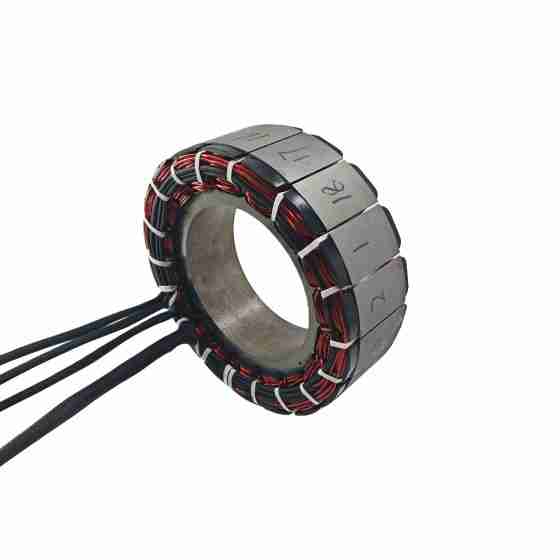
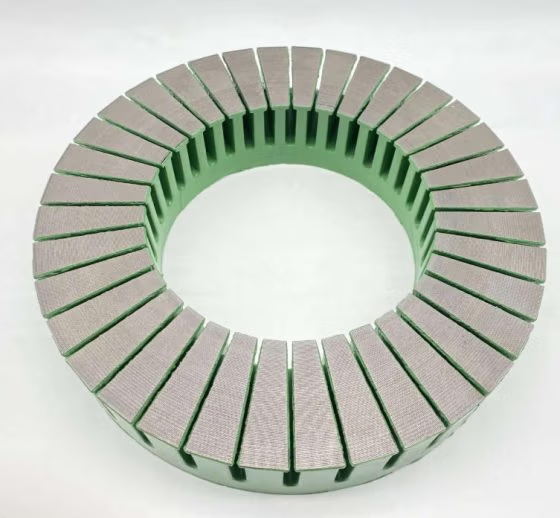
BLDC Motor Stator Core Winding Wire
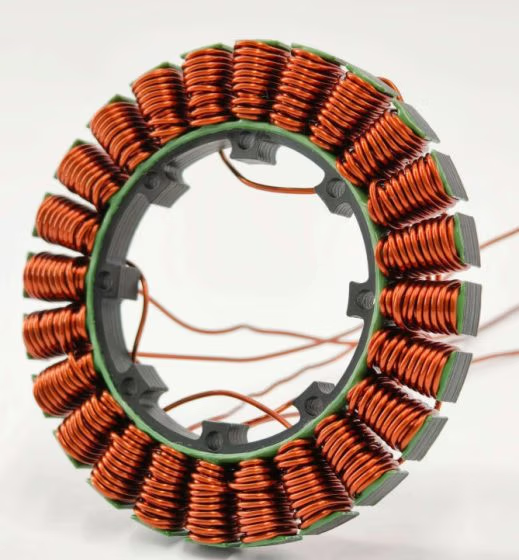
Concentrated winding
Here, coils are placed around a single tooth. This design reduces copper length and improves efficiency in compact motors.
Lap winding
Common in DC motors, this structure provides high current capacity.
Wave winding
This type supports higher voltage and is often used in special applications.
Choosing the right winding type depends on motor size, speed, and performance goals.
3. Materials Used in Motor Winding
Material choice is critical. Most motor windings use enameled copper wire because of its high conductivity and durability. However, aluminum wire is also used in cost-sensitive applications.
Common materials include:
-
high-purity copper wire
-
aluminum winding wire
-
polyester or polyimide insulation
-
heat-resistant varnish
Copper windings offer better efficiency and lower loss. Meanwhile, modern insulation materials improve thermal resistance and electrical safety.
As motors run at higher temperatures, insulation quality becomes increasingly important.
4. Motor Winding Design Principles
Good winding design balances electrical, thermal, and mechanical factors. Several principles guide engineers during development.
First, slot fill factor must be optimized. A higher fill factor means more copper in the slot, which improves efficiency. However, it must still allow safe insulation and cooling.
Second, current density should stay within limits. Excessive current leads to overheating and insulation damage.
Third, coil symmetry is essential. Balanced coils reduce vibration and noise.
Finally, thermal management must be considered from the beginning. Efficient heat dissipation extends motor life.
Because of these factors, winding design is both a science and an art.
5. Motor Winding Manufacturing Process
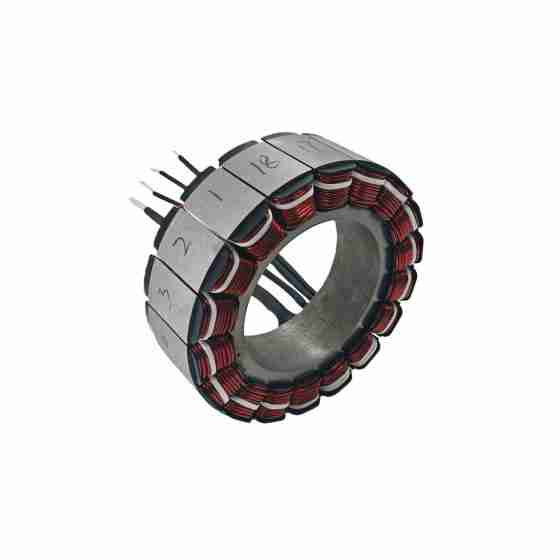
motor winding design
Even a perfect design needs precise manufacturing. The winding process usually follows several steps.
Step 1: Wire preparation
The wire is selected, cleaned, and checked for insulation quality.
Step 2: Coil winding
Automatic or semi-automatic machines wind the wire into coils with tight tension control.
Step 3: Coil insertion
Coils are carefully inserted into stator slots to avoid insulation damage.
Step 4: Lacing and shaping
The coils are fixed in place to maintain geometry and stability.
Step 5: Impregnation
Varnish or resin is applied to improve insulation, vibration resistance, and heat transfer.
Each step influences final performance. Therefore, consistent process control is essential.
6. Applications of machine winding
machine winding are used in almost every industry. Typical applications include:
-
electric vehicles and charging systems
-
industrial motors and drives
-
robotics and automation equipment
-
household appliances
-
HVAC systems
-
power tools
-
medical devices
In EV motors, windings must support high torque and high speed. In home appliances, low noise and efficiency matter more. As a result, winding solutions are often customized.
7. Advantages of High-Quality machine winding
Using high-quality winding brings clear benefits.
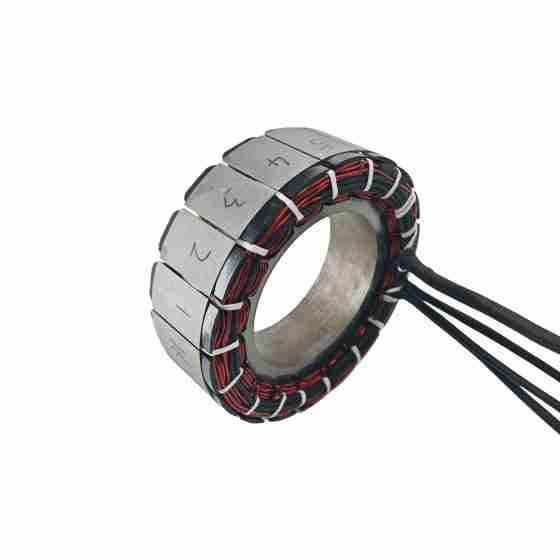
rotor winding
Higher efficiency
Lower electrical resistance reduces energy loss.
Better thermal performance
Improved insulation and impregnation help manage heat.
Lower noise and vibration
Balanced coils support smoother magnetic fields.
Longer service life
Stable windings protect the motor under continuous operation.
Improved reliability
Strong insulation reduces the risk of short circuits.
Because of these advantages, many manufacturers now invest in advanced winding technology.
8. Market Trends in Motor Winding Technology
The machine winding market is changing rapidly. Several trends are shaping future development.
Hairpin and flat wire winding
These designs increase slot fill factor and reduce resistance, especially in EV motors.
Automation and smart manufacturing
Robotic winding improves accuracy and consistency.
High-temperature insulation
New materials support higher power density.
Compact motor design
Smaller motors require more precise winding solutions.
Energy efficiency regulations
Global standards push manufacturers toward low-loss designs.
Together, these trends show strong growth potential for advanced winding systems.
9. How to Choose a machine winding Supplier
Selecting the right supplier is critical for long-term success. A reliable partner should offer:
-
stable wire sourcing
-
precision winding equipment
-
strict quality inspection
-
customization capability
-
engineering support
By working with experienced suppliers, companies can reduce risk and improve product performance.
10. Conclusion
machine winding is a core element that defines motor efficiency, stability, and durability. From material selection and design to manufacturing and application, every detail matters. As motors become more efficient and compact, advanced winding technology will play an even greater role.