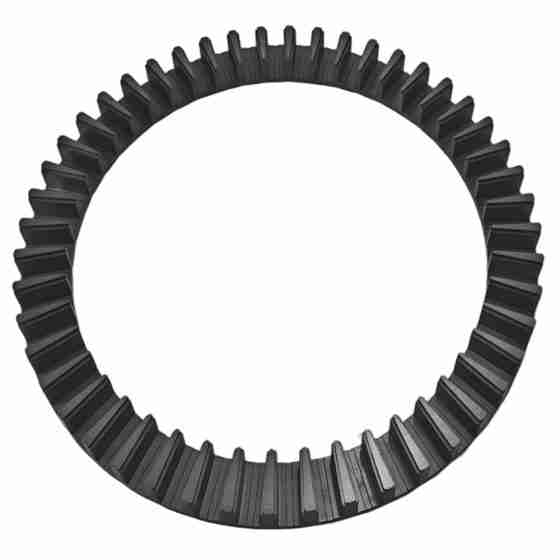
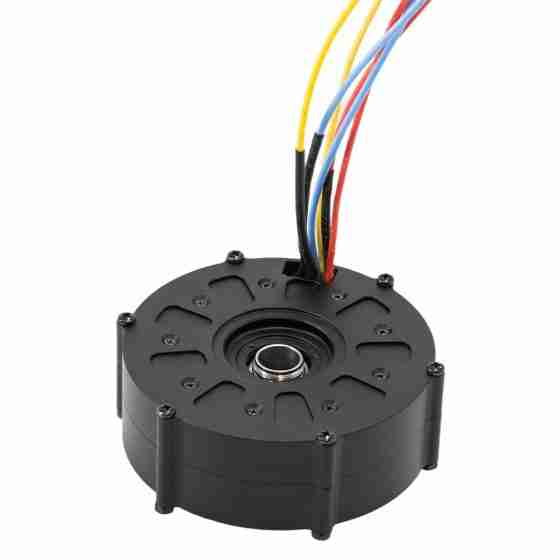
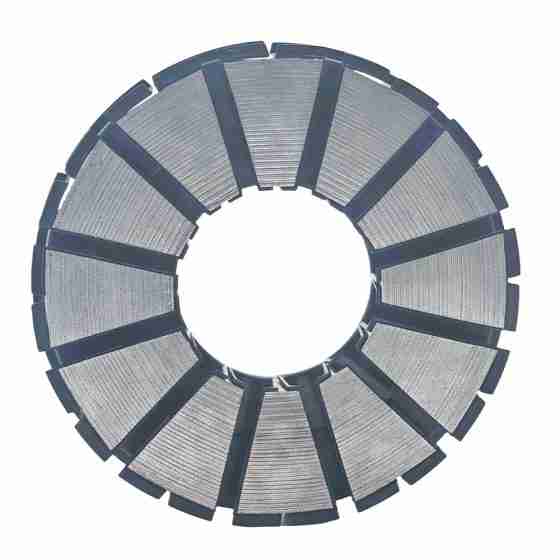
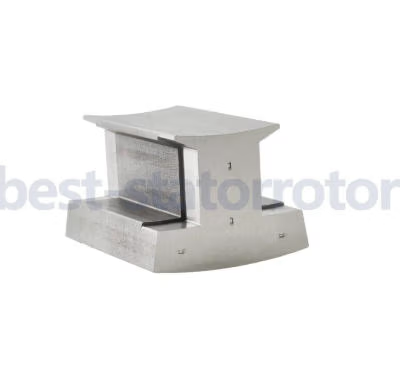
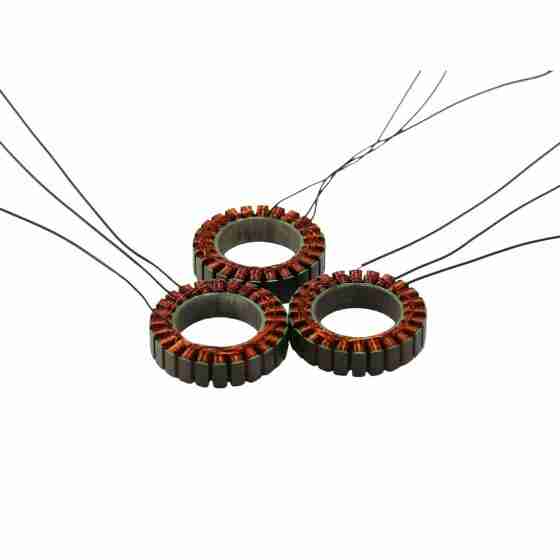
brushless motor
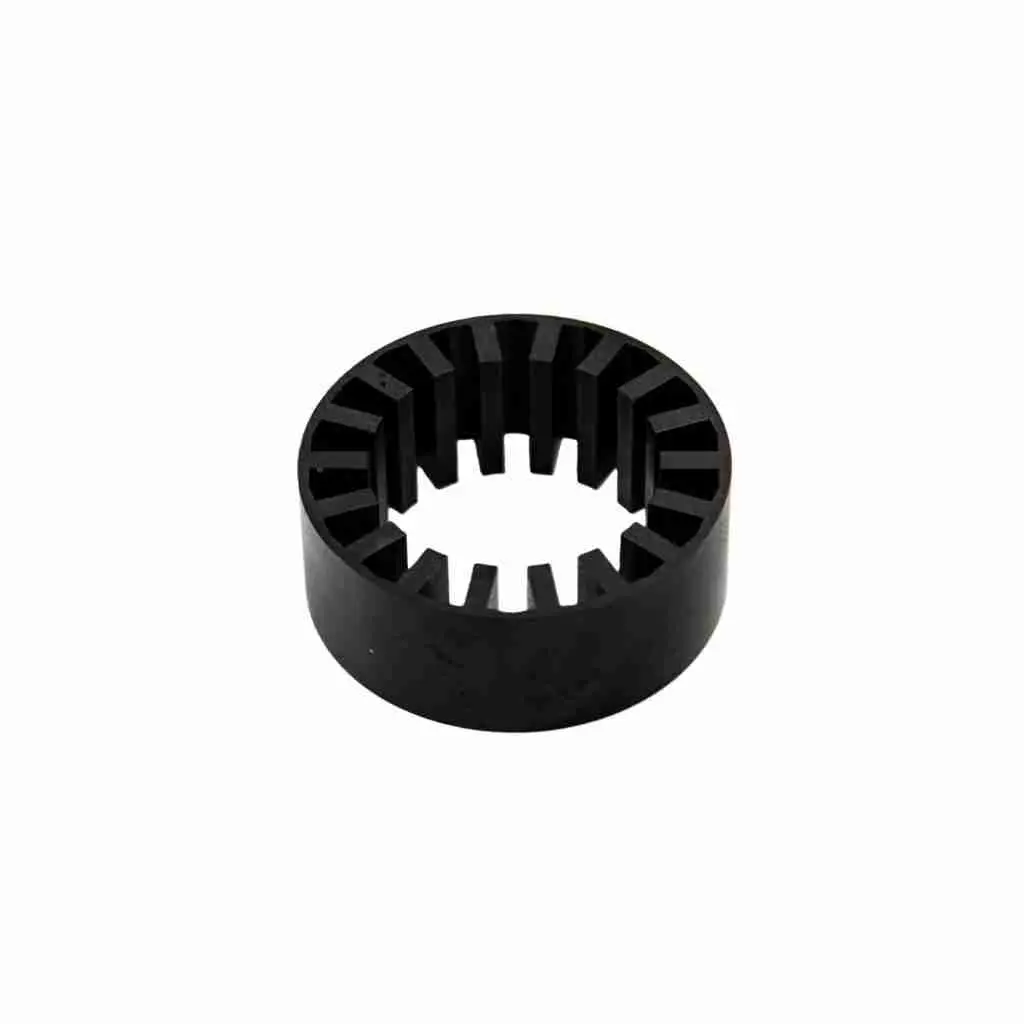

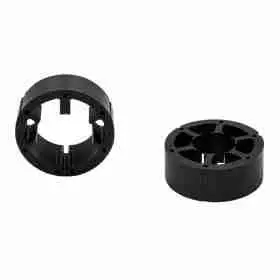
Rapid Stator Core: The Complete Guide to Fast Development, High Efficiency, and Scalable Motor Performance
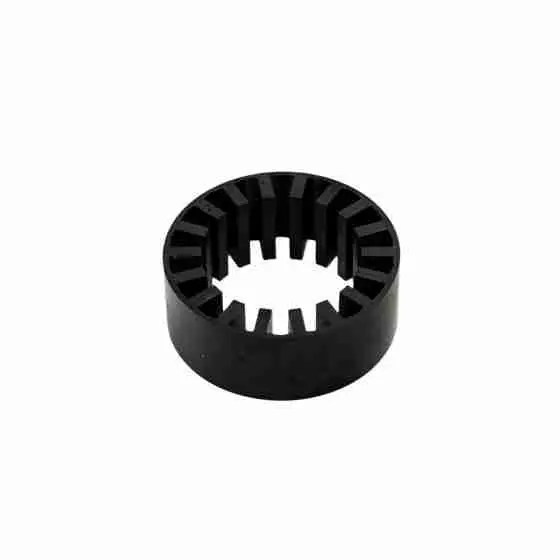
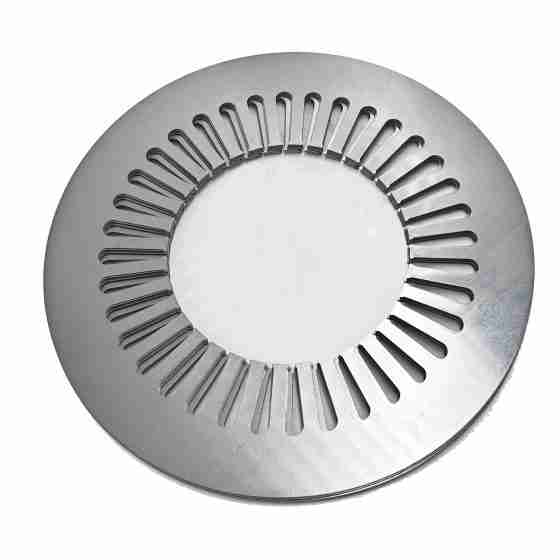
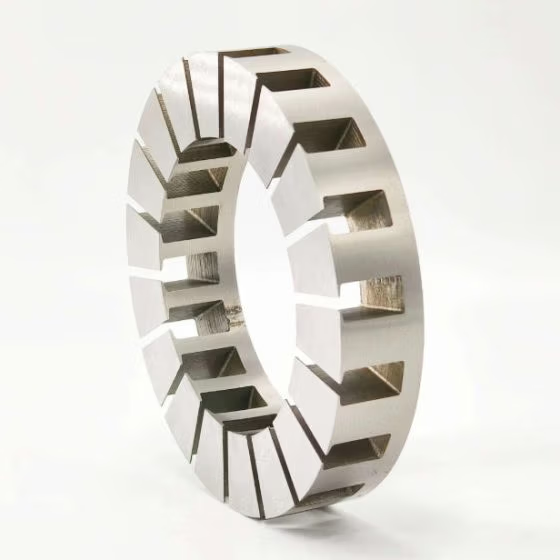
Rapid prototyping motor iron core
In today’s fast-moving motor industry, speed is no longer optional. However, performance, efficiency, and reliability still remain essential. At the center of this balance lies the this stator core solution, a solution designed to shorten development cycles while maintaining stable magnetic behavior.
As markets evolve, manufacturers face shorter product lifecycles and higher efficiency standards. Because of this, this stator core solution solutions have become a strategic advantage. Rather than focusing only on speed, they combine fast tooling, flexible design, and consistent quality. As a result, companies can move from concept to production with lower risk and better control.
This guide explains the structure, materials, manufacturing methods, and applications of this stator core solutions. Whether you are an engineer, buyer, or project manager, the following sections will help you understand why this technology is increasingly important.
1. What Is a Rapid Stator Core?
A this stator core solution is a motor stator core developed through accelerated design and manufacturing processes. In simple terms, it allows faster prototyping, quicker validation, and smoother transition to mass production.
Unlike conventional stator cores, which often require long tooling cycles, this stator core solutions are optimized for flexibility. At the same time, modern simulation tools ensure that magnetic performance remains reliable. Therefore, speed does not come at the expense of efficiency or durability.
Ultimately, a this stator core solution helps manufacturers respond quickly to design changes, customer feedback, and market demand.
2. Why Rapid Stator Core Development Matters
Motor markets are changing quickly. For example, electric vehicles, robotics, and automation systems all demand faster innovation. As a result, long development cycles can limit competitiveness.
Rapid stator core development addresses this challenge in several ways. First, it reduces time to market by enabling early testing and fast iteration. Second, it lowers development risk, since potential issues are identified sooner. In addition, it supports customization for different power levels and form factors.
Most importantly, faster stator core development helps manufacturers stay ahead in dynamic industries.
3. Basic Structure of a Rapid Stator Core
Although the development process is faster, the basic structure remains familiar. Typically, a this stator core solution includes:
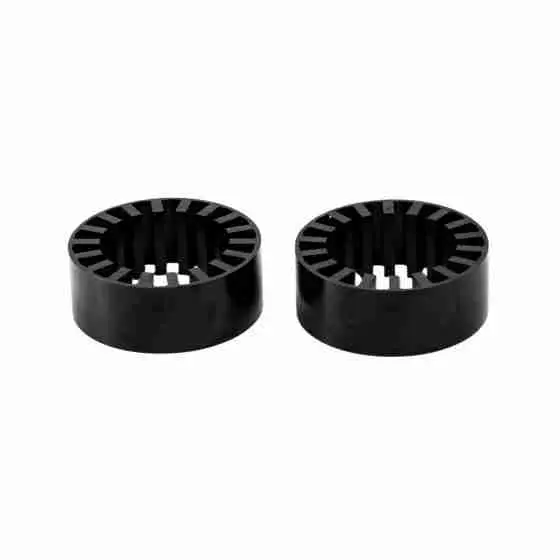
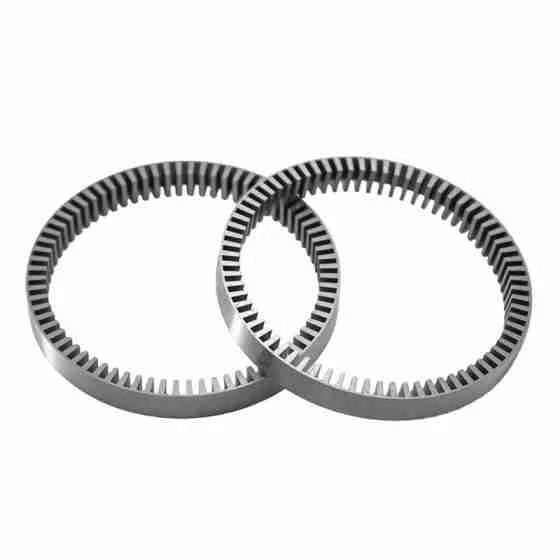
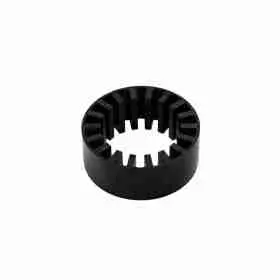
Motor Inner Stator Core
- Laminated electrical steel sheets
- Precisely formed stator slots
- Interlocking or bonding features
- Optional skewed geometry
- Surface insulation coating
Each element serves a clear function. For instance, laminations guide magnetic flux, while slots hold windings securely. Meanwhile, bonding methods improve mechanical strength and reduce vibration.
By designing these elements together, engineers ensure both fast production and stable operation.
4. Materials Used in Rapid Stator Cores
Material selection strongly influences both performance and production speed. Therefore, this stator core solutions often use materials that balance magnetic efficiency and easy processing.
Common choices include:
- Non-oriented silicon steel
- Ultra-thin electrical steel (0.20–0.35 mm)
- Advanced insulation coatings
- Special alloys for high-speed motors
Because thinner laminations reduce iron loss, motors operate cooler and more efficiently. At the same time, modern coatings improve stacking stability and electrical safety.
5. Rapid Stator Core Manufacturing Process
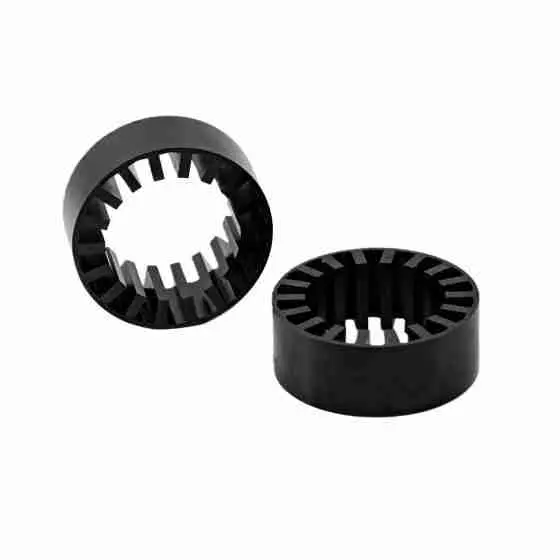
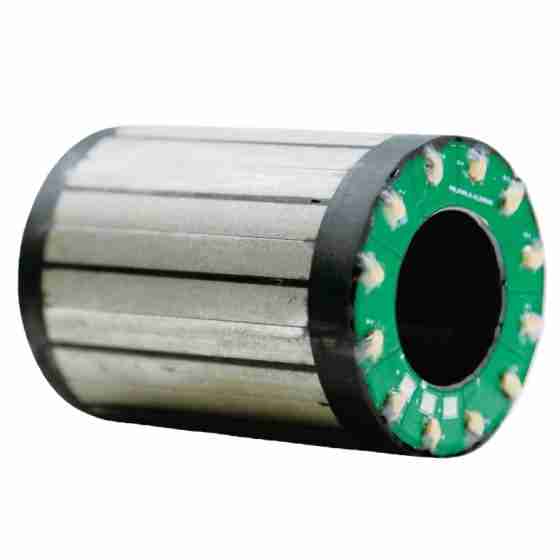
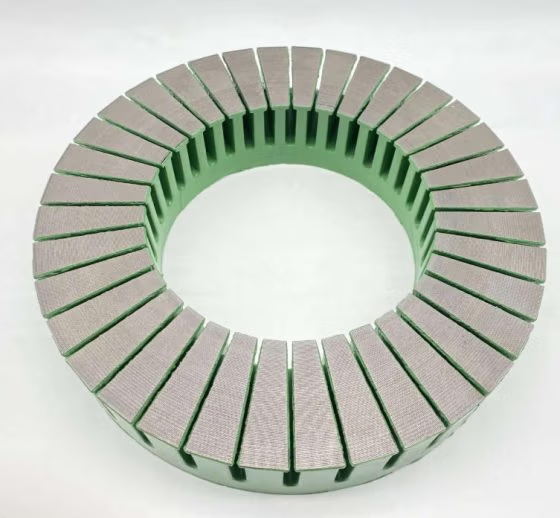
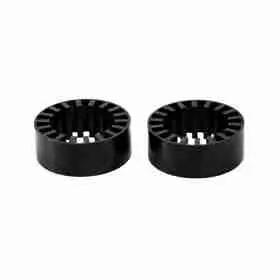
Brushless motor iron core
A major advantage of this stator core solutions lies in their streamlined manufacturing flow. From start to finish, each step is optimized to save time.
Step 1: Fast Lamination Cutting
Laminations are produced using high-speed punching or laser cutting. For early-stage projects, laser cutting allows quick design changes.
Step 2: Flexible Stacking
Laminations are stacked using interlocking, welding, or adhesive bonding. In many cases, interlocking is preferred because it shortens processing time.
Step 3: Insulation Treatment
Surface insulation reduces eddy currents and improves reliability. Whenever possible, pre-coated steel further accelerates production.
Step 4: Inspection and Testing
Automated systems check dimensions and core loss. As a result, consistency is maintained across batches.
6. Magnetic Performance and Efficiency
Some may assume faster production reduces performance. In reality, well-designed this stator core solutions deliver excellent results.
Thanks to optimized geometry, they achieve low core loss and stable permeability. Furthermore, precise stacking reduces noise and vibration. Consequently, these stator cores are suitable for high-efficiency motors.
7. Design Flexibility and Customization
One key advantage of this stator core solutions is design flexibility. For example, engineers can easily adjust slot shapes, stack height, or lamination thickness.
Because changes can be made quickly, multiple designs can be tested in a short time. As a result, the final motor design is better optimized.
8. Motor Types Using Rapid Stator Cores
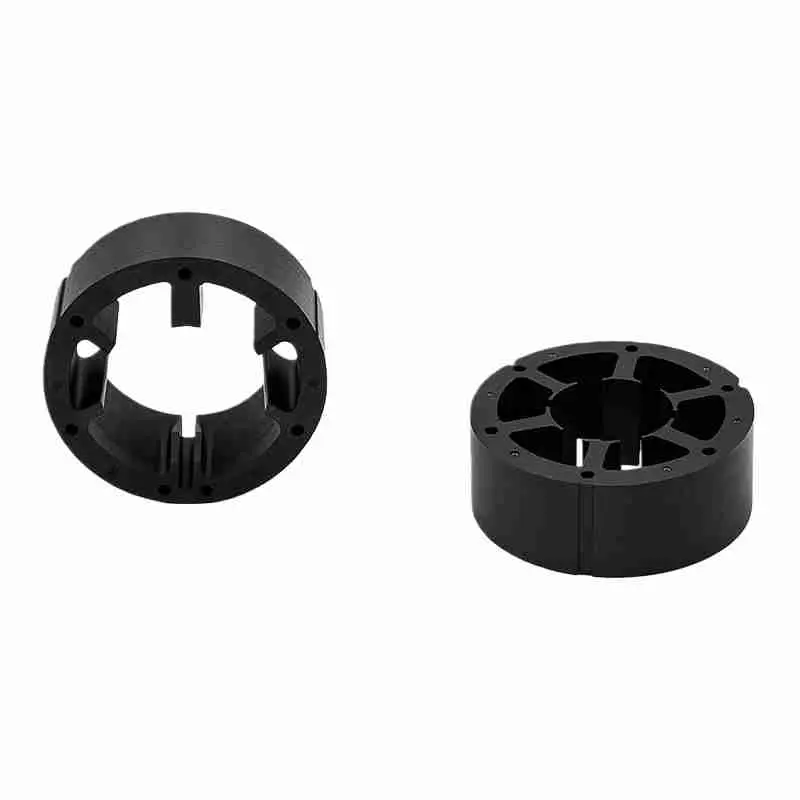
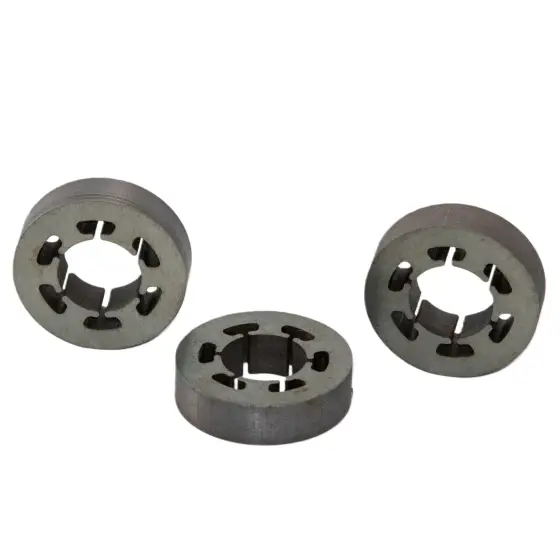
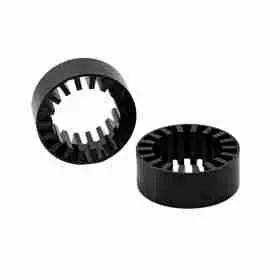
Brushless DC motor stator iron core
Rapid stator cores are widely used in:
- BLDC motors
- PMSM motors
- AC induction motors
- Servo motors
- Axial flux motors
Each motor type has different priorities. For instance, servo motors focus on precision, while BLDC motors emphasize efficiency and low noise.
9. Applications Across Industries
Rapid stator core solutions serve many industries. Most commonly, they are used in:
- Electric vehicles
- Robotics and automation
- Industrial machinery
- Home appliances
- HVAC systems
Because requirements vary by industry, stator core designs are often customized.
10. Advantages of Rapid Stator Core Solutions
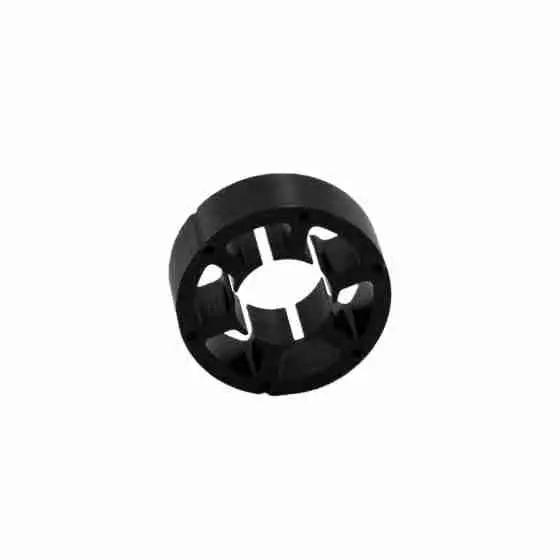
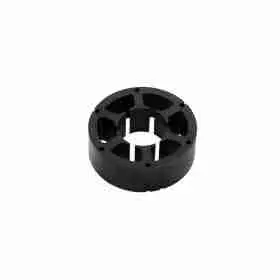
BLDC Motor Inner Stator Core
Using this stator core solutions offers clear benefits:
- Faster time to market
- Lower development risk
- Better cost control
- High efficiency performance
- Easy scalability
Together, these advantages support long-term competitiveness.
11. Market Trends and Future Outlook
The demand for this stator core solutions continues to grow. On one hand, efficiency regulations are becoming stricter. On the other hand, electric mobility and automation are expanding quickly.
Therefore, fast and flexible stator core solutions will remain essential.
12. How to Choose a Rapid Stator Core Supplier
Selecting the right supplier is critical. Ideally, a supplier should offer fast engineering support, stable materials, and strict quality control.
In addition, clear communication helps projects move forward smoothly.
13. Rapid vs. Traditional Stator Cores
Traditional stator cores often require long lead times. By contrast, this stator core solutions enable quick iteration and flexible production.
Because of this, rapid solutions are better suited to innovative markets.
14. Quality Control and Reliability
Even with fast production, quality remains essential. Therefore, modern this stator core solution manufacturing relies on automated inspection and digital monitoring.
As a result, reliability remains high across all batches.
15. Conclusion
Rapid stator core technology is reshaping motor development. By combining speed, flexibility, and stable performance, it supports modern motor design needs.
In conclusion, for manufacturers aiming to innovate faster and compete globally, this stator core solution solutions are no longer optional—they are essential.
 /> /> /> /> /> /> /> /> /> /> /> /> /> /> /> /> /> /> /> /> /> /> /> /> /> height=”455″ />