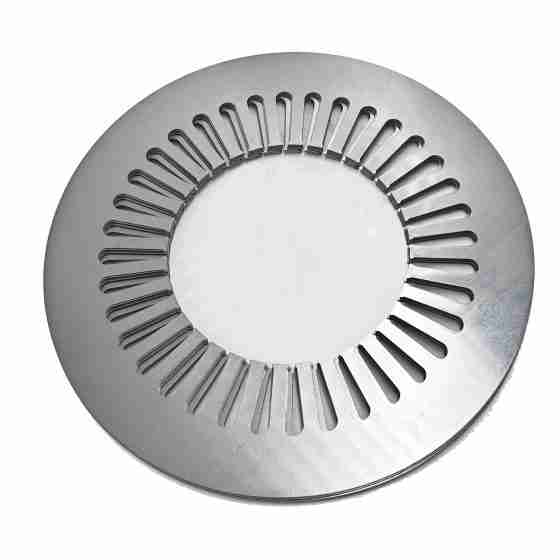
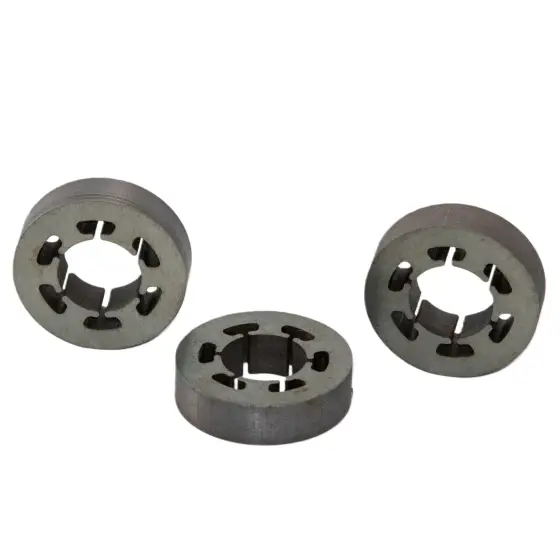
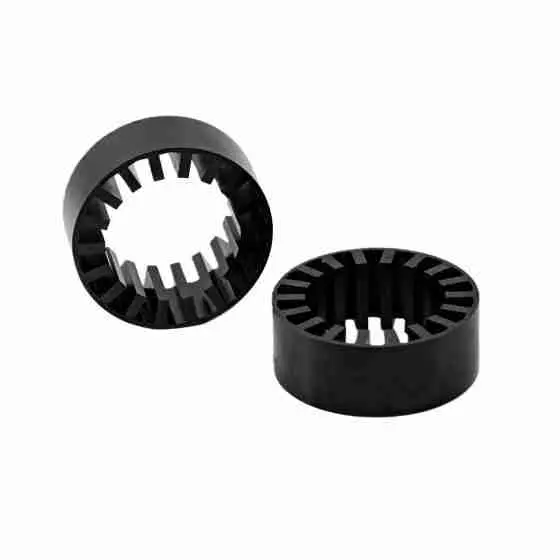
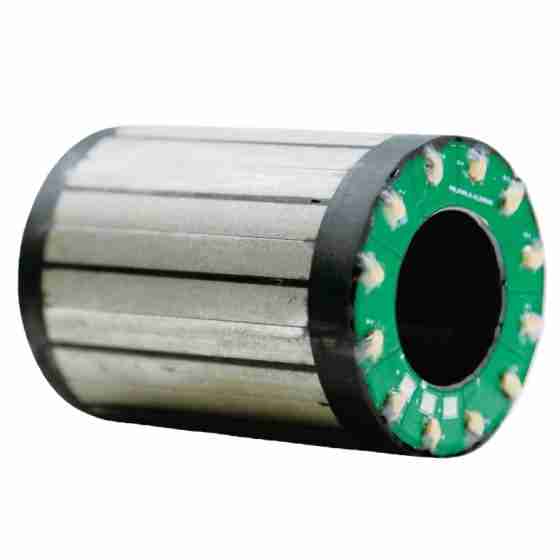
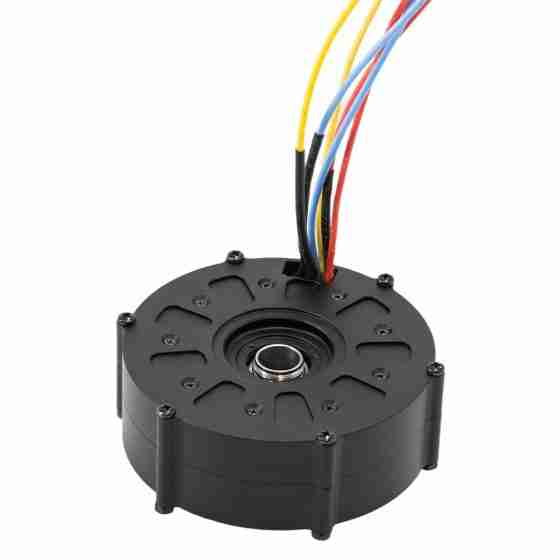
brushless motor
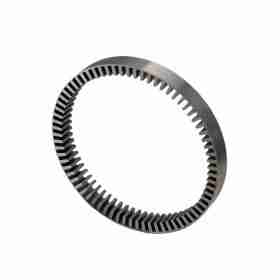
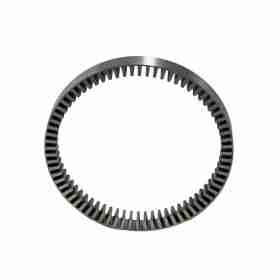
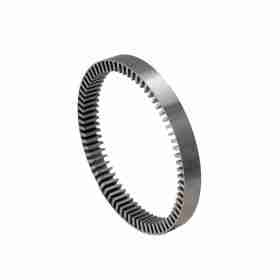
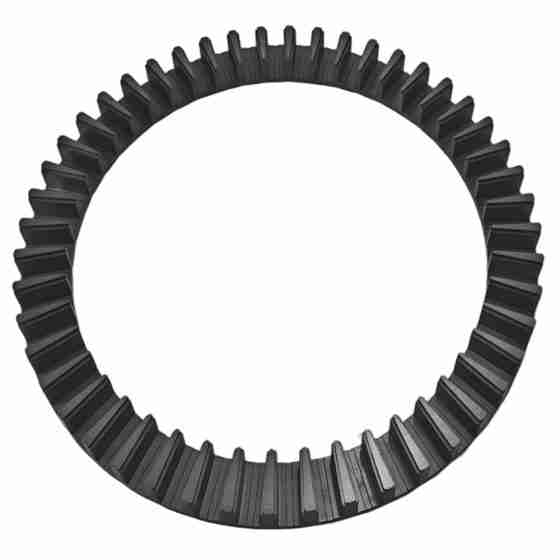
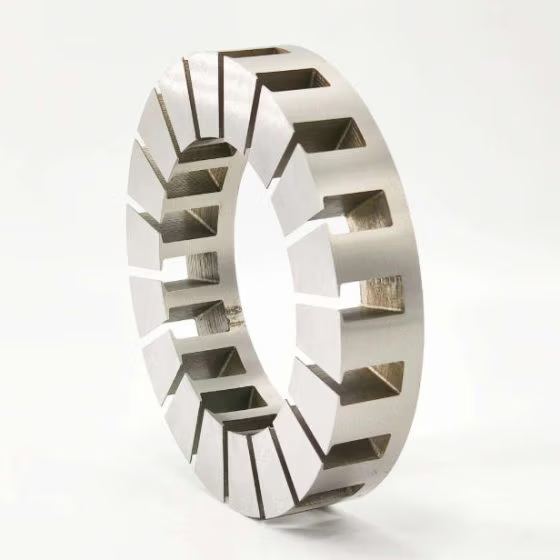
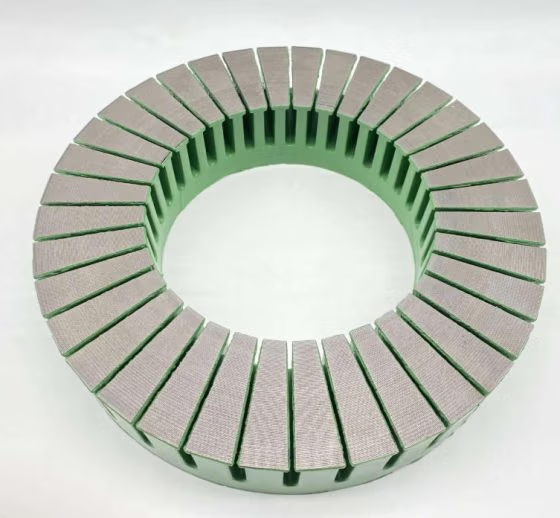
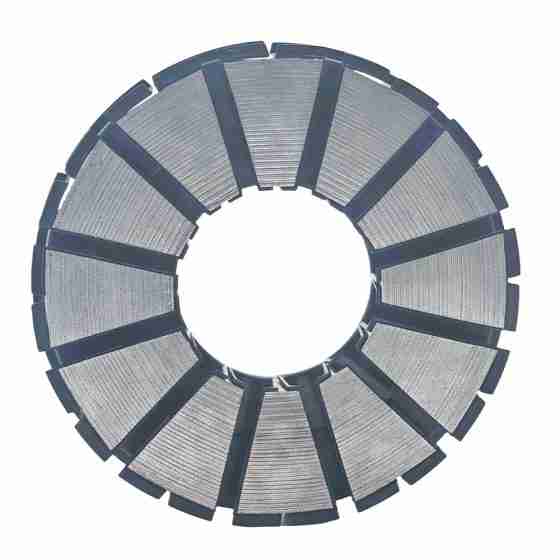
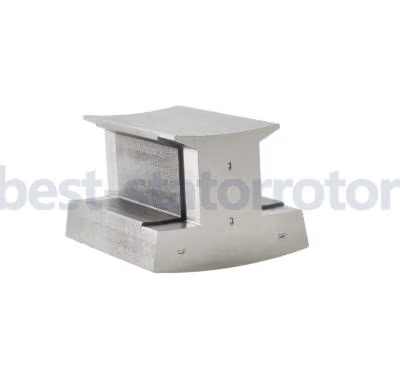
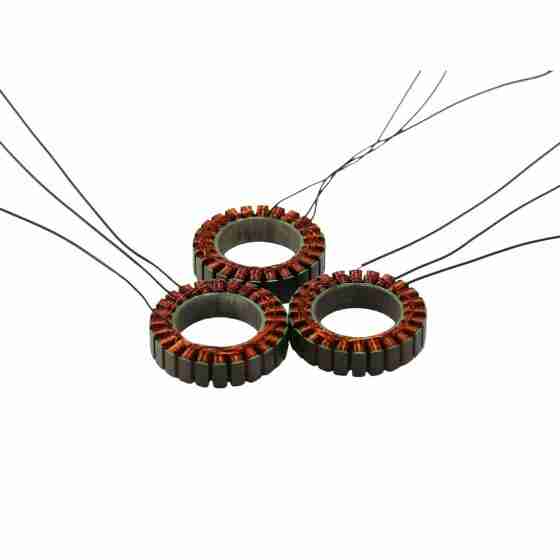
Robotic Joint Motor Stator
Integrated Stator Solutions for High-Precision Robotic Arms

high torque density stator
Product Overview
Modern robotic systems demand both precision and stability. Therefore, joint-level motor performance plays a decisive role in overall robot accuracy.
For this reason, our robotic joint motor stators actively support servo motors and frameless torque motors used in advanced robotic arm joints.
By integrating the stator directly into the joint structure, this solution not only increases torque density, but also reduces overall size and improves thermal efficiency.
As a result, robotic joints deliver smoother motion, faster dynamic response, and longer service life.
Moreover, manufacturers widely adopt these stators in industrial robots, collaborative robots (cobots), and humanoid robotic joints.
Consequently, this solution fits especially well in EU and North American B2B markets, where reliability and repeatability remain critical.
By integrating the stator directly into the joint structure, this solution not only increases torque density, but also reduces system size and improves thermal efficiency.
As a result, robotic joints achieve smoother motion, faster response, and longer operational life.
These stators are widely applied in industrial robots, collaborative robots (cobots), and humanoid robotic joints, especially for EU and North American B2B markets where performance consistency is critical.
Why Integrated Stators Matter in Robotic Joints
Robotic arm joints often face strict space constraints. At the same time, they must achieve high positioning accuracy.
However, traditional motor housings increase complexity and limit design flexibility.
By contrast, an integrated stator design removes unnecessary structural layers.
Therefore, engineers gain more freedom in joint layout and mechanical optimization.
Meanwhile, direct stator integration improves magnetic efficiency and heat transfer.
As a result, robotic systems respond faster and operate more efficiently under load.
Ultimately, this approach supports compact, high-performance robotic joints.
Key robotic arm motor stator Features & Benefits
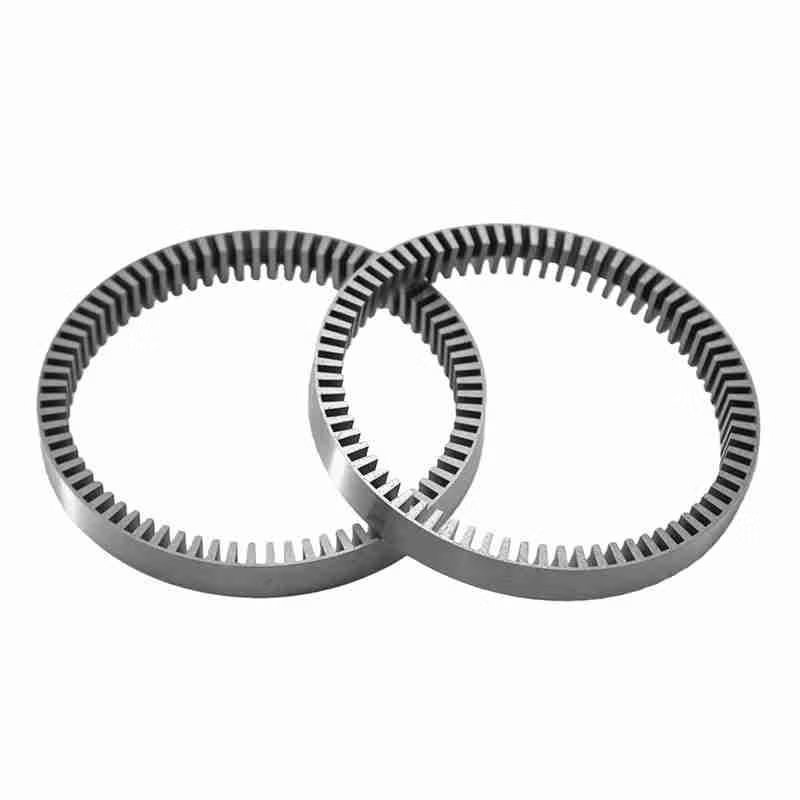
servo motor stator for robotics
High Torque Density in Compact Joints
Robotic joints must generate high torque within limited space. For this reason, our stators use optimized magnetic circuits and high slot fill factors.
As a result, the stator delivers strong torque output without increasing joint dimensions.
Moreover, this compact structure reduces inertia.
Consequently, robotic arms accelerate faster and improve cycle time.
In addition, lightweight joint designs help reduce overall system energy consumption.
Precision Torque and Motion Control
Precise torque control directly affects robotic accuracy. Robotic Joint Motor Stator, this stator works seamlessly with Field-Oriented Control (FOC).
In practice, the design enables stable current regulation and fast dynamic response.
Specifically, the stator supports:
-
High current loop bandwidth (>1 kHz)
-
Fast torque response (<20 ms)
-
Smooth and stable low-speed operation
As a result, robotic joints achieve repeatable motion and improved trajectory accuracy.
Furthermore, tuning and commissioning become easier for control engineers.
Frameless Design for Flexible Integration
Robotic joint architectures differ widely across platforms. For this reason, the frameless stator design allows direct installation into custom joint housings.
In addition, this approach eliminates unnecessary motor housings and adapters.
Consequently, assembly steps decrease and tolerance stacking is reduced.
As a result, joint rigidity improves and positioning accuracy increases.
Likewise, system reliability benefits from fewer mechanical interfaces.
Efficient Heat Dissipation
Thermal performance strongly influences motor lifespan. Therefore, the stator transfers heat directly into the joint housing.
At the same time, aluminum mounting structures accelerate thermal conduction.
As a result, the joint maintains stable temperature during continuous operation.
Moreover, effective heat dissipation supports higher continuous torque output.
Ultimately, this improves long-term reliability.
Reliable Operation Under Dynamic Loads
Robotic joints often experience sudden acceleration or unexpected contact. For this reason, the design supports elastic couplings and shock-absorbing options.
Consequently, the joint reduces vibration and absorbs impact energy.
Meanwhile, this protection limits stress on internal components.
As a result, service life increases and maintenance intervals extend.
In the long run, system robustness improves significantly.
Typical Applications
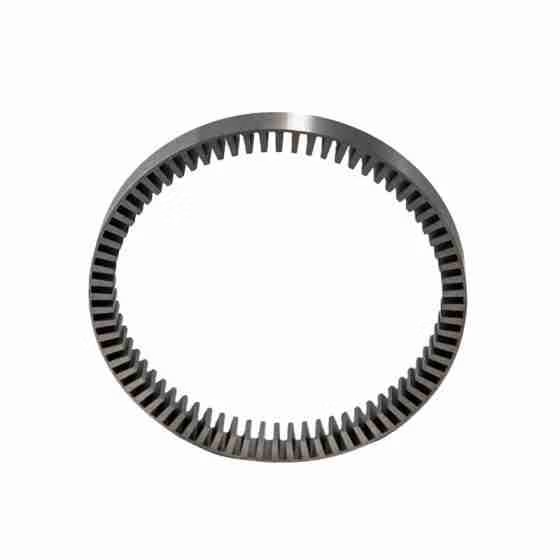
integrated stator for robotic arms
Because of its flexibility and performance, manufacturers apply this stator solution across many robotic platforms.
Therefore, common applications include:
-
Industrial robotic arms
-
Collaborative robots with human interaction
-
Humanoid robot joint systems
-
Medical and surgical robots
-
Automated manufacturing and assembly equipment
Consequently, this solution supports a wide range of precision-driven industries.
Technical Specifications (Customizable)
Different robotic joints require different configurations. Therefore, engineers can customize key parameters to match specific needs.
Typically, available options include:
-
Stator core: Laminated electrical steel
-
Windings: High-purity copper
-
Structure: Frameless integrated stator
-
Voltage compatibility: 48V low-voltage robotic platforms
-
Cooling method: Natural or housing-assisted conduction
-
Control compatibility: Servo drives with FOC
As a result, the stator aligns precisely with torque, speed, and size targets.
Designed for EU & North American Robotics Markets
Robotic systems in EU and North America must meet strict regulatory standards. Therefore, we develop this stator to support:
-
CE-compliant robotic equipment
-
ISO 10218 industrial robot systems
-
Collaborative robot safety architectures
In addition, the design matches common B2B procurement and integration expectations.
Consequently, OEMs and system integrators can deploy it with confidence.
Engineering Support & Customization
High-performance hardware requires strong engineering support. For this reason, we provide full technical assistance throughout the project lifecycle.
In practice, our team supports customers from concept to production.
Support includes:
-
Electromagnetic design optimization
-
Slot, pole, and winding configuration
-
Thermal and mechanical integration
-
Prototyping and volume production
As a result, customers shorten development cycles and reduce integration risk.
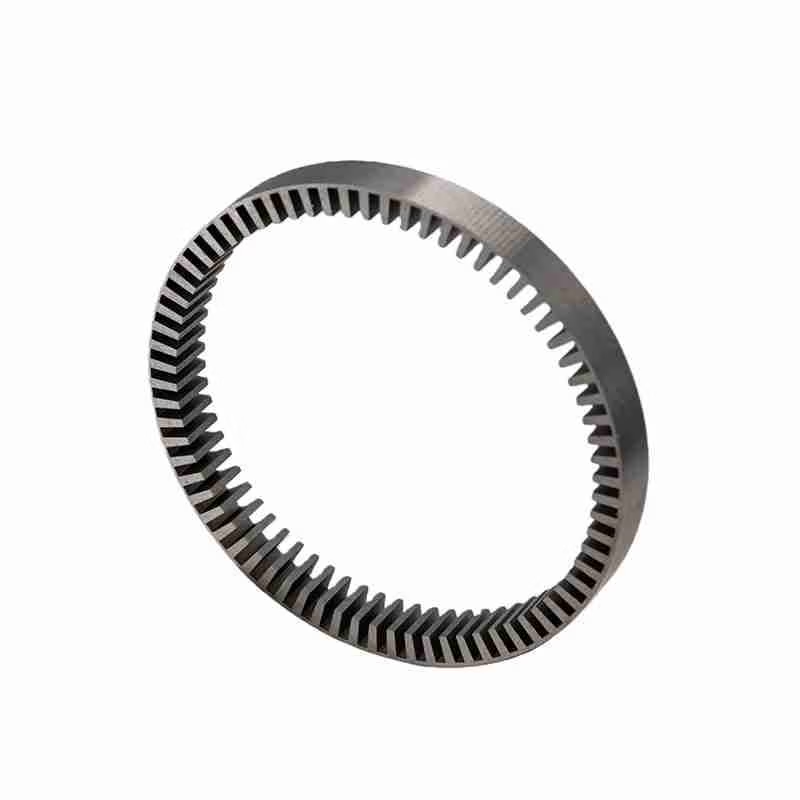
frameless torque motor stator
Why Choose Our Robotic Joint Stators
The stator directly affects robotic joint performance. Therefore, we focus on engineering-driven solutions rather than generic designs.
Moreover, we emphasize long-term reliability and integration efficiency.
Specifically, customers benefit from:
-
Deep experience in robotic motor components
-
Flexible joint-level customization
-
Stable performance under real operating conditions
-
Compatibility with modern robotic control architectures
Ultimately, this helps customers build more competitive robotic systems.
Request Technical Details or Samples
If you are developing a robotic joint and need a custom stator solution, we are ready to support your project.
Therefore, contact us to discuss drawings, performance targets, or prototype requirements.