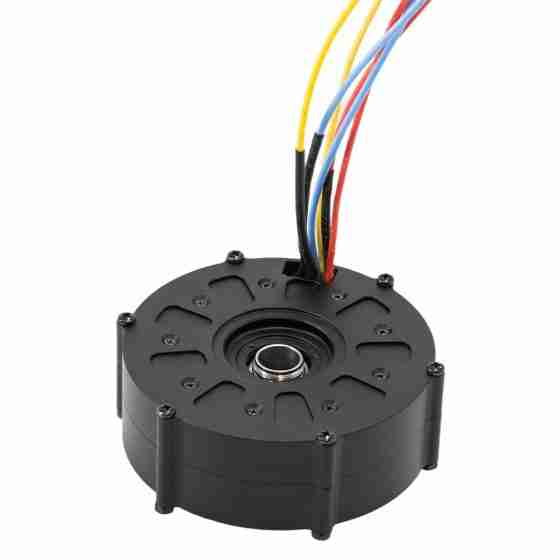
brushless motor

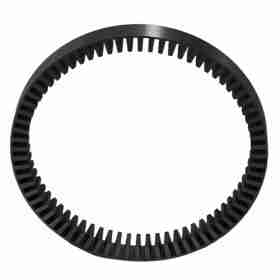
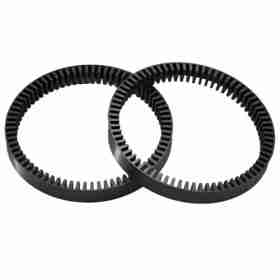
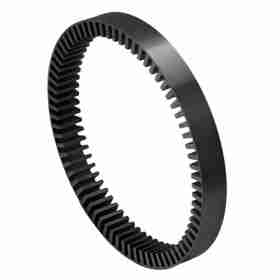
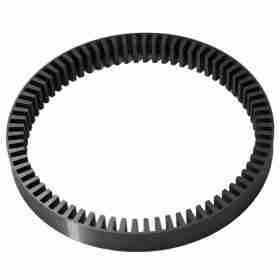
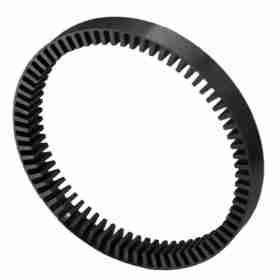
Robotics Stator Core: High-Performance Core Solutions for Next-Generation Robots
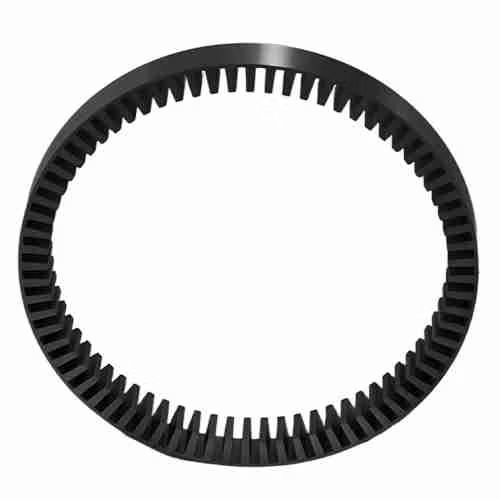
robot stator core
As robots become more advanced and widely used across industries, the demand for high-performance motor components continues to grow. Among all motor parts, the robotics stator core plays one of the most crucial roles. It determines motor efficiency, torque density, noise level, and long-term reliability. Therefore, choosing the right stator core is essential for any robotics manufacturer aiming to improve product stability and performance.
In this article, we take a detailed look at robotics stator cores, their key technologies, and why high-precision stator cores are becoming the preferred choice for next-generation robotic systems. At the same time, we will explore how optimized designs help companies improve efficiency, reduce energy loss, and gain competitive advantages in global markets.
What Is a Robotics Stator Core?
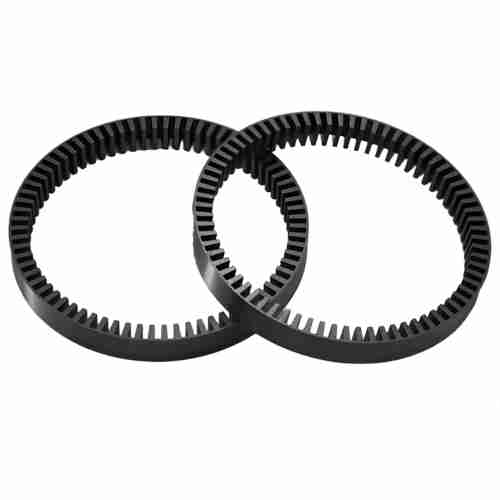
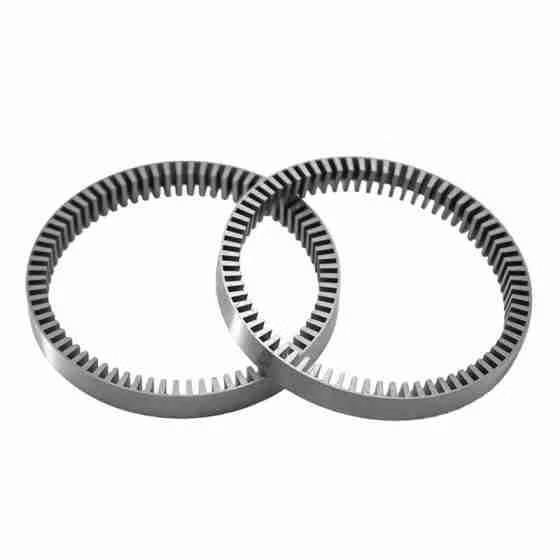
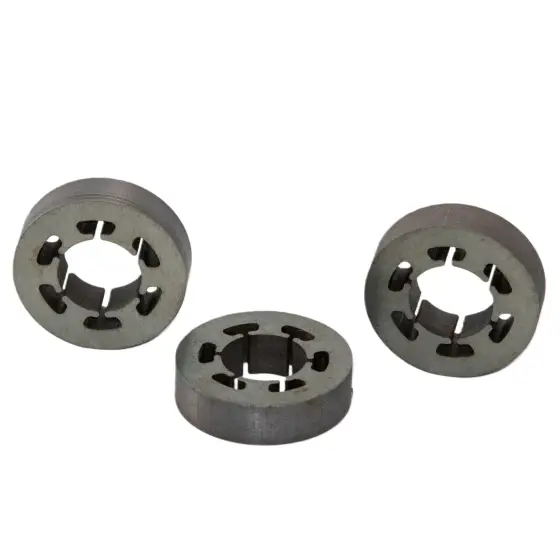
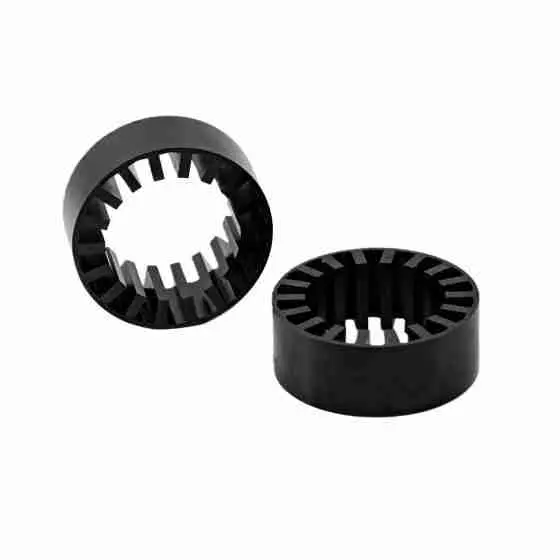
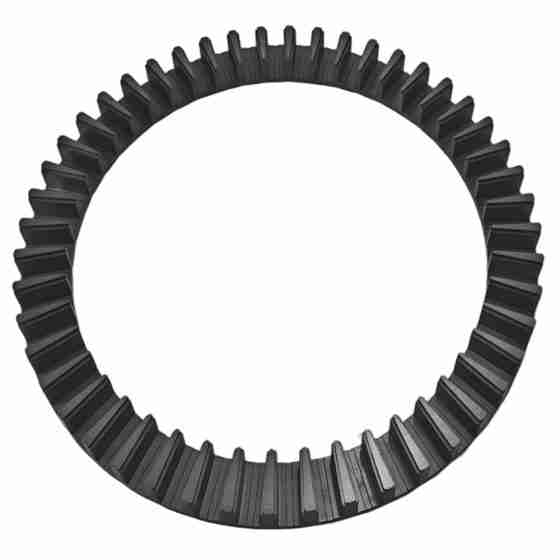
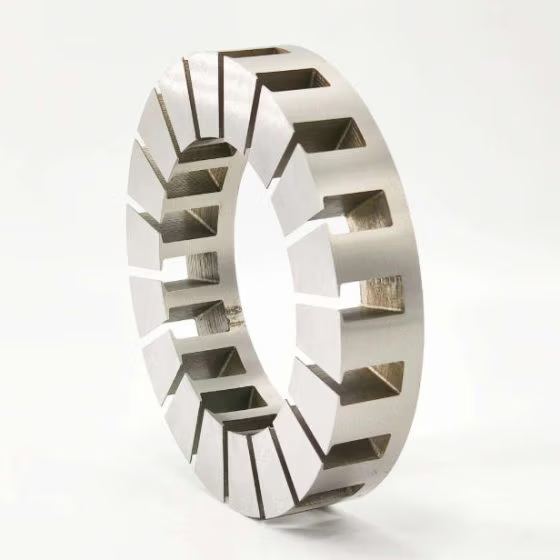
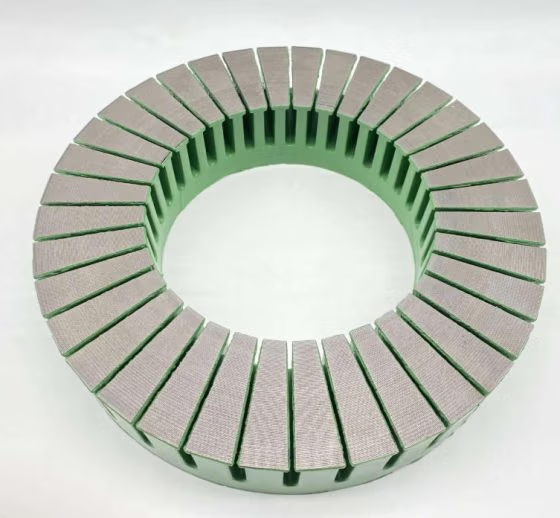
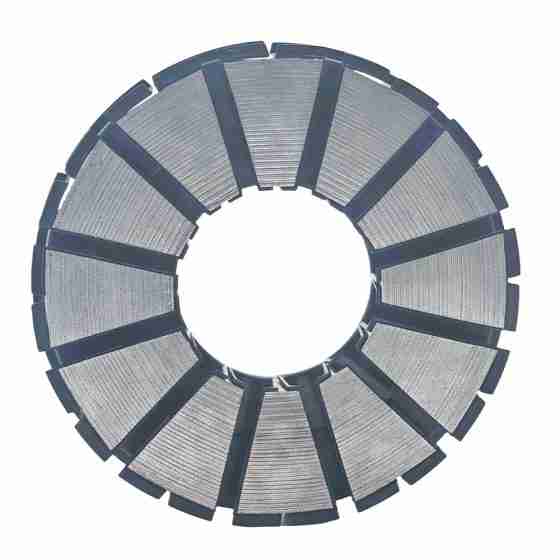
A robotics stator core is the stationary magnetic structure inside a robot motor. It is made of laminated silicon steel or advanced magnetic materials that guide the magnetic flux generated by the motor windings. Because it does not rotate, the stator core must be extremely stable, precisely assembled, and low in power loss. Even small design improvements can lead to significant enhancements in robotic performance.
Today’s robotics applications—such as service bots, industrial automation, AGVs, collaborative robots, exoskeletons, and humanoid platforms—require motors that are lighter, more responsive, and more efficient. As a result, the stator core has become an essential factor in determining total motor capability.
Why Stator Core Quality Matters for Robotics
Robotic systems demand motors that can operate continuously, respond quickly, and maintain long-term accuracy. Therefore, the stator core must provide:
1. High Magnetic Efficiency
Better magnetic performance means higher output with lower energy consumption. This is especially critical for battery-powered robots that rely on maximum energy utilization.
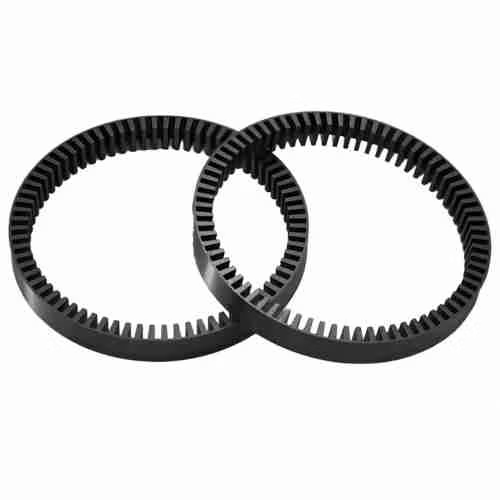
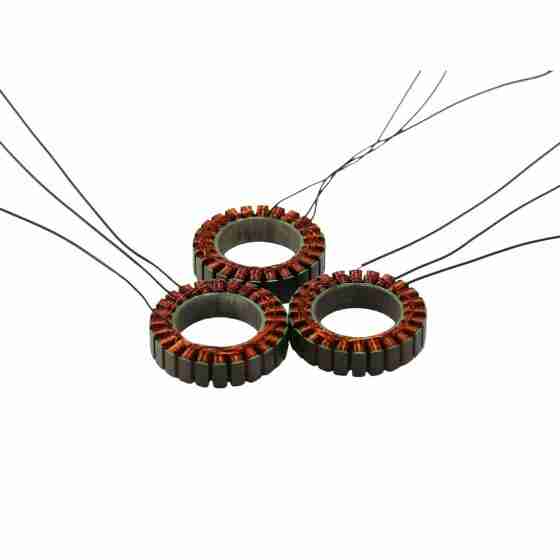
robot stator
2. Lower Core Loss
Robots often operate for long hours. Reduced iron loss helps keep temperatures lower, allowing motors to run more efficiently with less cooling.
3. High Torque Density
A compact, optimized stator core helps create more torque in a smaller space—ideal for robotic joints and lightweight designs.
4. Lower Noise and Vibration
Robots used in hospitals, smart homes, and collaborative environments require quiet, smooth motor performance.
5. Long Service Life
High-quality laminations and precision assembly ensure consistent magnetic behavior and high durability.
Because of these needs, robotics manufacturers increasingly seek customized, high-accuracy stator core solutions.
Key Technologies Used in Modern Robotics Stator Cores
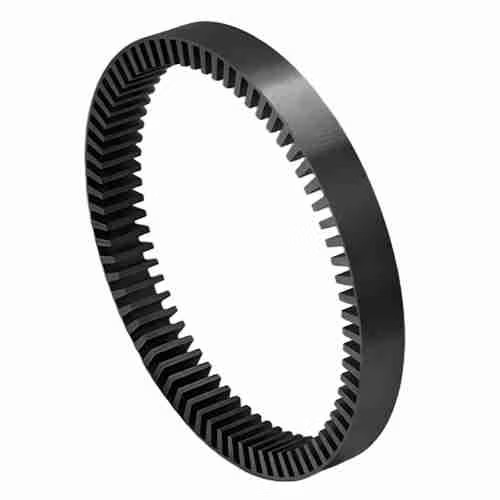
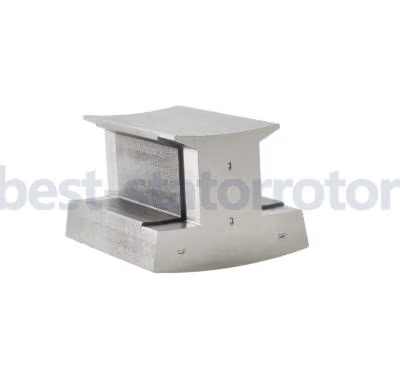
robots motor stator core
To meet the rising performance standards, several advanced manufacturing methods are used in robotics stator cores.
● High-Precision Silicon Steel Laminations
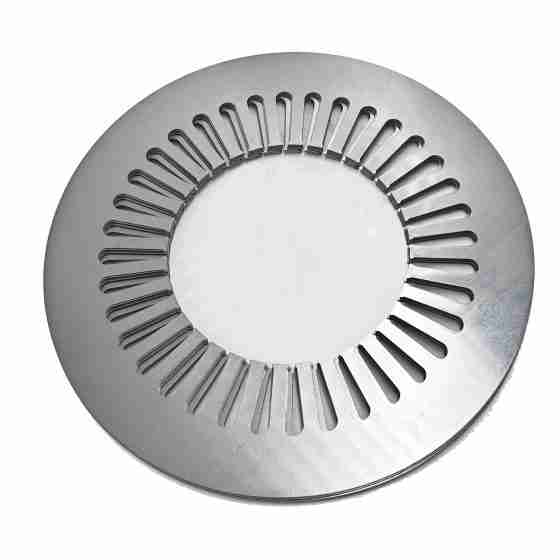
Laser-cut or progressive-stamped laminations ensure consistent thickness, low core loss, and high mechanical stability.
● Optimized Slot Geometry
Improved slot shapes help increase slot fill rate and reduce copper loss, resulting in higher efficiency and torque.
● Advanced Bonding or Welding Techniques
Cutting-edge bonding methods reduce vibration and improve heat dissipation. This supports long-term operation in fast-moving robotic systems.
● High-Speed Automatic Stacking
Automated stacking ensures tight tolerances and uniform magnetic properties.
● Custom Magnetic Materials
Some robotics stator cores use specialized low-loss materials that offer excellent thermal and magnetic stability.
These innovations help achieve better energy conversion, higher responsiveness, and more accurate control—key factors in advanced robotics.
Applications of Robotics Stator Cores
Today’s stator core technologies are widely used in:
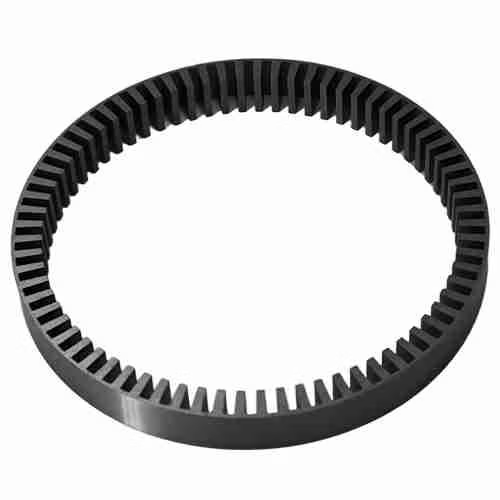
Robot motor stator iron core
-
Industrial robotic arms
-
Collaborative robots (Cobots)
-
AMRs and AGVs
-
Humanoid robots
-
Medical and service robots
-
Precision-positioning systems
-
Exoskeleton and wearable robotic devices
-
Automation equipment motors
As these industries continue to expand, the global demand for robotics stator cores will keep rising.
How Premium Stator Cores Improve Robotic Motor Performance
To explain the value clearly, here are the major ways premium stator cores boost performance:
1. Higher Motor Efficiency
Better magnetic materials and lower losses allow motors to run with less energy, extending robot battery life and reducing operational costs.
2. Faster Dynamic Response
Robots require smooth movement. A stable stator core ensures quicker reaction time and higher precision.
3. Better Thermal Management
Lower core loss means less heat, which allows motors to run longer without overheating.
4. Increased Payload Capacity
Higher torque density lets robots lift heavier loads even with compact motors.
5. Improved Motion Accuracy
Precision-manufactured stator cores reduce deviation, ensuring consistent motion control.
Because robotics applications value accuracy, reliability, and efficiency, the stator core becomes a critical differentiating factor in motor design.
Why Choose a Professional Robotics Stator Core Manufacturer
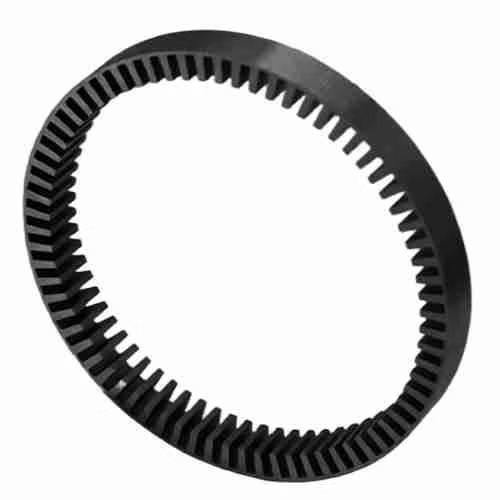
robotics
In the robotics industry, not all stator cores are the same. A professional manufacturer can offer:
-
Customized sizes, laminations, and magnetic performance
-
High accuracy stamping molds
-
Stable lamination bonding and stacking
-
Strict testing and long-term reliability
-
Fast delivery for global customers
-
Support for prototype to mass production
Companies that invest in high-quality stator core production ultimately create more competitive robotic solutions.
Conclusion: The Future of Robotics Starts with a Better Stator Core
As robotic systems continue to evolve, motors are becoming smaller, smarter, and more efficient. At the heart of every high-performance motor lies a precisely engineered robotics stator core. With improvements in materials, geometry, and manufacturing technology, today’s stator cores provide the foundation for faster, quieter, lighter, and more intelligent robots.
Whether you are developing advanced automation equipment, industrial arms, service robots, or next-generation humanoids, choosing the right stator core is one of the most important steps in building a reliable motor platform.